 A Space for Thoughtful

Digital Prepress 101: What it is and Why it Matters!
Summarize with:
A large number of readers have started consuming content digitally, including eBooks, whitepapers, reports, and other formats. This increase in digital consumption has led to the emergence of the digital prepress industry. This industry is growing at a compounding average rate(CAGR) of 11.3% and is expected to be valued at $79.6 billion by 2028.
While digital formats are preferred, print remains the most popular consumption format, with eBooks ranking second. Traditional Prepress methods must evolve to enable content creators to distribute content in both print and digital formats.
So, the ideal approach for a publisher is to embrace the best of both.
In this blog, we will explore digital prepress, its entailments, the steps involved, its myriad benefits, and why partnering with digital prepress services can be a game-changer for businesses in the printing industry.
Table of Contents:
- What is Digital Prepress?
- What are Prepress Services in the Digital Print Industry?
- The 9 Essential Prepress Checklist Steps, Simplified!
- 5 Ways of Streamlining Prepress Workflow
- Benefits of Streamlining Prepress Workflow
- Why Should You Work with Digital Prepress Services?
- 7 Ways Embracing Digital Prepress Sets You Apart in The Competitive Arena
- 7 Emerging Trends in the Digital Publishing Industry
- Wrapping Up
What is Digital Prepress?
Imagine you have written a report or a complete book on your desktop or laptop and want to print it out for distribution. Before you hit print, you will want to check the page layout, ensuring it looks just as perfect as it does on your screen. This is where digital prepress services can help you out.
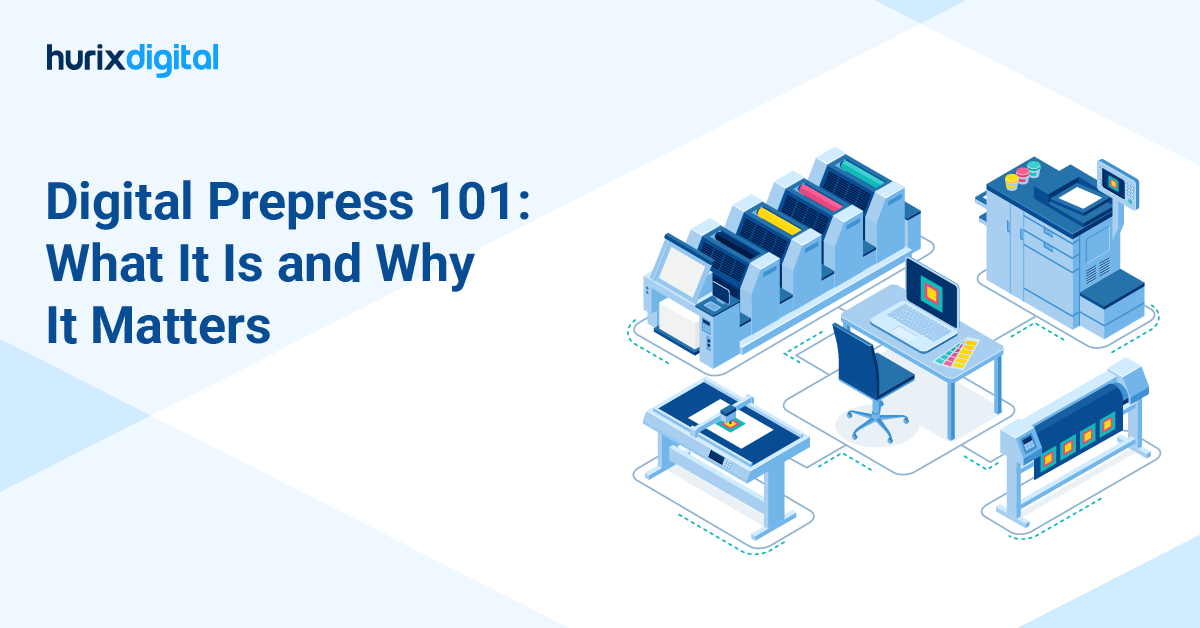
Digital prepress encompasses a range of processes and technologies that prepare digital files for printing. It helps you create print-ready and digitally-enabled files, offering unparalleled speed, quality, and cost-effectiveness benefits. This is crucial because it helps you get a clear picture of your document’s appearance once it is printed.
Unlike traditional Prepress methods, which involve manual processes and physical materials such as typesetting and printing plates, digital prepress leverages advanced technologies to streamline workflows and optimize print-ready files.
What are Prepress Services in the Digital Print Industry?
Unlike traditional methods like offset printing, we use modern technology to create printed materials through digital printing.
In offset printing, printing plates are created first; however, digital printing directly transfers digital files onto various substrates like paper, plastic, or fabric. Despite the differences, the one thing that is common between traditional and digital printing is prepress services.
The digital printing industry’s prepress services include all the steps before printing begins. These services ensure that the digital files are ready for printing and that the final output meets the desired quality standards.
Some common prepress services include:
- Getting the files in the right format
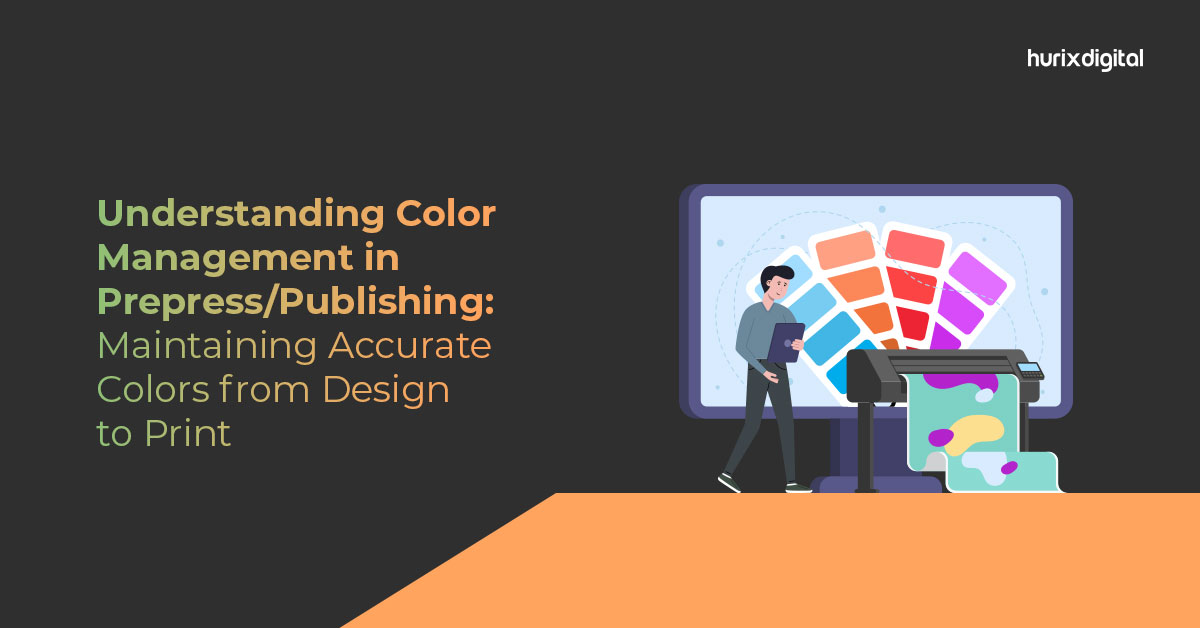
- Managing colors
- Making images look better
- Checking proofs
- Making sure everything meets quality standards
These services are crucial for ensuring the accuracy, consistency, and quality of the final printed materials. They also play a vital role in streamlining the printing process and optimizing efficiency.
The 9 Essential Prepress Checklist Steps, Simplified!
The quality of published press material has an immense bearing on how your target audience perceives your brand or publishing house. This makes it essential to publish only the best-composed designs, necessitating a well-formed prepress process that checks all the boxes.
Listed below are the nine steps you should check to ensure that your designs are truly ready for paper.
1. Proofreading
If you think proofreading your text isn’t going to affect your sales, you may want to think again.
Standing Dog Interactive researched how grammatical errors affect buyer perception of a business, and it found that only 3% of the audience was willing to overlook such errors. The rest of the 97% were ready to churn to competitors.
You want to avoid formatting, grammatical, typesetting, and spelling errors at all costs, and this makes thorough proofreading your first step.
2. Typography
Much like proofreading is for cleaning up the text, typography is meant to help clean up how the typed text looks. Cleaning up the typography includes:
- Text leading
- Tracking
- Kerning
Although all the fonts are pretty much out-of-the-box and come with their own spacing and settings, it is best to take a visual judgment call and decide whether a tweak is necessary to achieve your envisioned design.
Doing this can help you achieve the oomph factor from your printed letters.
3. Image Checks
After you finish the text, it is time to move on to images. Ideally, the graphics sent for print should be of the highest quality possible; this necessitates maintaining the lowest image resolution at 300 dpi. Ensure that your final draft has a graphics resolution higher than that number.
As a general rule of thumb, always work with the graphics set at their highest resolution so that image quality isn’t a problem in the later stages of prepress. Also, try not to enlarge any graphics more than 20% of their size to retain image quality.
4. Color Correctness
Checking the color correctness of all the graphics cannot be emphasized more if you want graphics that pop. Typically, all the editorial and prepress solutions are configured to work in the RGB color mode. However, a printer needs the corresponding CMYK codes to understand those colors and print them on paper.
Ensure that your prepress solution has the option to simulate CMYK colors as you work on your design. Doing this helps you create a near-likeness to your RGB spectrum, creating images that pop even on paper.
5. Screen Calibration
Much like translating RGB into CMYK helps with creating vibrant images that look vivid on paper, screen calibration is another aspect of ensuring the color accuracy of the prints.
You may have noticed your mobile phone with display options like “Standard,” “Vibrant,” or “Night Light” – all these are preset calibrations that change how colors appear on the screen.
Your design software also features color configurations that enable you to calibrate the screen to accurately reflect the true colors of your graphics.
6. Page Settings
One of the most overlooked aspects of the prepress process is the page setting. Every piece of paper can be configured on the design software before it is sent to the printer, and this includes demarcating the bleed lines and the crop lines.
Crop lines are specified to help the printer understand where to cut the paper. On the other hand, bleed lines mark which areas are not to be printed. Doing this is important because it separates the design boundaries from the rest of the paper.
7. Imposition
Imposition is the process you arranging your printing sequence in a way that best utilizes the paper you are printing on with a view to reducing wastage. Remember, paper is costly.
By using advanced software like Publisher or InDesign, you can automatically execute imposition in the software itself to some extent. It then goes back to adjusting the binding margins, bleeds, and crop marks to ensure that printing does not impact your design.
8. PDF Creation
Do you know why PDFs are so popular? It is because they are mostly lossless. Very little tampering can be done to a PDF file, which helps preserve the final composition you give to your design.
You don’t want accidental spaces or typos to enter your final design, which is why we recommend investing in a high-quality PDF converter and saving your final proof in this format. This is the file that should be forwarded for printing.
9. Paper Selection
Paper selection is underrated. For example, if you have extremely vibrant colors in your design, choosing pure white paper with a matte finish would help you make the design pop. However, for most subdued tones, an off-white printing paper would help create a better visual overall.
There are papers with a variety of textures and finishes as well that impact how colors and text would finally appear on them after printing. Additionally, there is the matter of paper finishes, including textured, glossy, matte, handmade, and decorated finishes.
Lastly, there is the consideration of paper GSM, aka the thickness of the sheet, which impacts cost and printability. Thus, paper selection depends on your graphics, budget, and the overall visuals you wish to achieve.
5 Ways of Streamlining Prepress Workflow
When working on preparing a file for printing, you can encounter several obstacles in the process.
Given below are ways you can follow to overcome them and enjoy a seamless prepress workflow process:
1. Assess, Identify, and Work on Weaknesses
One of the most vital ways of improving prepress workflow involves the assessment of prepress workflow practices.
Make sure you conduct an in-depth evaluation by looking at employee and software performance and associated production volume. Once you are done evaluating, analyze the findings to identify the areas where gaps and inefficiencies exist.
Also, devise plans to bridge the gaps and fix pressing issues so that the prepress workflow can function and operate as smoothly as possible.
2. Use Automation
Globalization is on the rise, and as a result, so is diversification. Preparing different versions of the same document can lead to errors. Also, preparing a large number of files for the varied versions can be extremely time-consuming.
To avoid these hassles, automation becomes a game-changer. By integrating automation tools into your workflow, you can effortlessly generate varied versions of a document without the risk of manual errors. 34% of print businesses understand this and have duly invested in automating repetitive, manual tasks like typesetting, imposition, and more.
3. Work with the Right Spacing and Colors
Using the right font spacing and color from the start goes a long way toward streamlining the prepress workflow.
To begin with, you can use typical typography procedures to adjust the text and create a visually appealing aesthetic look that makes your text design stand out.
For color, you can work with the RGB (red, green, and blue), the standard color used for publishing purposes today. You can also circumvent the dullness of the traditional CMYK (cyan, magenta, yellow, and key) color model used by printing machines with the help of advanced software, thereby retaining the vibrancy of the color design on paper.
4. Work with the Right Images and Software
The wrong image size and resolution can make your document look distorted. To avoid pixelated and badly blown-up images, use the ideal resolution size of 250–300 dots per inch to ensure that the graphics resonate well with the document’s size.
In addition, use the right prepress software for digital prepress work. Using software like Adobe Illustrator, InDesign, Photoshop, etc., can elevate the quality of graphics and the overall design of the document.
5. Conduct Proofreading and Proofing
Proofreading is the key to publishing a well-written and good-looking document. The process involves verifying the accuracy of aspects such as grammar, sentence structure, typesetting, composition, and the overall design of the document.
Once you are done with proofreading, it’s important to create a cloud-based proofing system that enables your clients to view an on-screen representation of how the final document will appear.
Through a proofing system, clients can review, suggest modifications, and eventually approve the final design for the document remotely, eliminating the need for physical printouts and costly postal deliveries.
Benefits of Streamlining Prepress Workflow
Below are the benefits of streamlining your prepress workflow:
1. Optimal Quality Control
Streamlining the prepress workflow in print production provides a high degree of quality control. Experienced professionals and software go through the document, adjusting and correcting the textual and graphical inconsistencies. This ensures that the final document is of fine quality, meeting the highest quality standards.
2. Streamlined Brand Consistency
Publishing a consistent design throughout goes a long way toward establishing a strong brand identity. A streamlined prepress workflow ensures that all printed documents, including brochures, magazines, flyers, and more, share a uniform look.
It also ensures that they align with your client’s business guidelines and reinforce brand recognition in the customers’ minds.
3. Save Expenses
A streamlined prepress workflow employs technology and advanced software to detect errors early in the process. You can correct them timely manner before the final publication and save expenses otherwise spent on reprints and wasted material.
4. Improved Reading Experience
With a streamlined prepress workflow, you can ensure the addition of quality animations, videos, hyperlinks, and more engaging elements. By doing this, you can make the reading experience fun and captivating for the readers.
5. Print-Ready Products Quickly
A streamlined prepress workflow ensures proper copyediting, typesetting, structuring, proofreading, and pre-flighting. As a result, it helps you produce high-quality, print-ready documents quickly.
Why Should You Work with Digital Prepress Services?

Digital Prepress services offer a wide array of design and content-focused services, including color management, proofing, advanced printing, and preparation to help make your files print-ready.
Thus, by embracing a Prepress service, businesses can gain a wide variety of benefits, including:
1. Improved Efficiency and Speed
Digital Prepress streamlines workflows, reducing manual intervention and processing time. This helps you get a faster turnaround for tasks like image processing and file optimization, enabling you to meet tight deadlines and gain exceptional results with limited resources.
2. Gain a Team of Experts by Your Side
Digital Prepress service providers bring specialized expertise and years of experience in handling diverse printing projects. Their knowledge of industry best practices, advanced technologies, and evolving trends ensures optimal results and superior quality outputs.
3. Scalability and Flexibility
Digital Prepress services offer scalability and flexibility to accommodate varying project requirements and workloads. Whether you have a small-scale printing project or a large-scale production run, digital prepress services can scale their resources and capabilities accordingly to meet your needs.
4. Cost Effectiveness
Digital Prepress helps businesses save on material costs and labor expenses by minimizing errors and reprints. This helps businesses optimize their printing projects and increases productivity and profitability.
5. Quality Assurance
Using digital prepress providers ensures the best quality output. These providers adhere to stringent quality control measures to ensure that every print job meets the highest standards of quality and accuracy. Through comprehensive proofing and validation processes, they minimize the risk of errors and ensure consistent quality across all printed materials.
7 Ways Embracing Digital Prepress Sets You Apart in The Competitive Arena
According to a report, the worldwide market size for digital printing presses achieved a value of USD 25.20 billion in 2021, and it is projected to exhibit a CAGR of 7.4% throughout the anticipated period. If you’re in the realm of marketing, or any business for that matter, these numbers signify the need to make an impact.
This is where the magic of digital prepress services comes into play. Let’s look at the 7 personalized prepress tips and strategies that will not just set you apart but propel you to the forefront of the competition:
1. Flawless Visual Representation
In marketing, the visual appeal can make or break your message. With digital prepress, your graphics, images, and layouts translate flawlessly from the screen to the printed page. Your marketing materials will radiate the same brilliance in print as they do on your computer, ensuring a consistent and captivating brand image.
2. Speed to Market
Time is of the essence, especially in marketing. Digital prepress reduces the time required for traditional printing processes. Rapid turnaround means you can adapt your campaigns swiftly, capitalize on trends, and seize new opportunities. With electronic prepress services, you can stay agile and responsive without compromising quality.
3. Tailored to Perfection
In the marketing world, customization is king. Furthermore, personalization is the key to connecting with your customers on a deeper level, making them feel seen and valued. Digital prepress allows you to tailor your designs, messages, and offers to different audience segments.
4. Consistency is Key
Brand consistency is the bedrock of brand loyalty. With prepress Digital, you ensure your colors, fonts, and overall design elements remain consistent across various print materials. With electronic prepress solutions, you can build trust and recognition effortlessly while reinforcing your brand’s identity.
5. Cost-Efficient Excellence
Running a successful marketing campaign shouldn’t drain your budget. Digital prepress eliminates the need for costly reprints due to errors or design changes. Your materials are meticulously reviewed and refined before going to press, saving you time and money.
6. Eco-Friendly Approach
Adopting sustainable practices isn’t a fad anymore. It’s the new norm. Digital prepress reduces waste by allowing you to print only what you need, minimizing the environmental footprint of your campaigns.
7. Unleash Creativity
Creativity knows no bounds with digital prepress. Experiment with designs, layouts, and formats without the constraints of traditional printing methods. Break free from the ordinary and create marketing materials that not only grab attention but also leave a lasting impression.
Check out this Exclusive eBook: Hurix Mini-Book: PrePress Tips You Won’t Find Anywhere Else
7 Emerging Trends in the Digital Publishing Industry
While 2025 saw the initial exploration of AI, its practical applications remain in their infancy. However, 2026 promises to be a turning point.
Here are the top trends that are shaping the digital publishing landscape in 2025 and beyond:
1. Audio and eBook Consumption
Traditional print media faces a growing competitor: digital formats. The demand for eBooks and audiobooks has surged in recent years.
This trend aligns with consistent industry reports, with audiobook sales witnessing a remarkable 14.3% year-over-year growth. Interestingly, eBooks are leading the charge, generating over $956 million in revenue, driven largely by Amazon’s Kindle platform. This rise presents a unique opportunity for authors and publishers, particularly independent creators.
Technological advancements have streamlined the creation and distribution of digital books, making the market more accessible than ever.
Other than convenience, the prevalence of enhanced eBooks incorporating audio, video, and interactive elements creates an immersive reading experience. It caters to the growing demand for diverse interactive content formats, particularly among tech-savvy readers.
2. Voice Search Ascendance
Gone are the days of meticulously typing queries; today’s users seek information hands-free, uttering natural language questions to their digital assistants like Alexa, Siri, and Google Assistant. This trend signifies a crucial emerging trend in digital publishing: the need for Voice Search Optimization (VSO).
Your content should conversationally deliver succinct, coherent responses. It ensures its resonance with both search engines and users, establishing your brand as a reliable authority in the era of voice-activated exploration.
3. Subscription-Based Models
The dynamic digital landscape demands agility, and publishers are adapting by diversifying their revenue streams. They are exploring innovative avenues to secure financial stability, moving beyond traditional ad and subscription-based models.
This new approach takes shape in various forms: sponsored content partnerships, where brands collaborate on relevant content, or affiliate marketing, where publishers earn commissions by promoting products or services.
Hosting events or launching online courses offers direct engagement opportunities with readers. It establishes a deeper connection and the potential for additional revenue. Publishers are re-evaluating their existing models, seeking to personalize and cater to user preferences.
Micropayments, for instance, are gaining traction, allowing readers to pay a small fee for specific articles instead of full subscription-based models, offering greater flexibility and catering to diverse consumption patterns.
4. Cross-Platform Distribution
The digital publishing landscape is no longer confined to the pages of PDFs and ePub formats. Today’s readers are increasingly mobile and platform-agnostic. Their preference for content that seamlessly adapts to their preferred devices and formats has given rise to a crucial emerging trend: cross-platform distribution.
Since a single format no longer suffices, publishers are recognizing the need to make their content omnipresent and readily available across e-readers, tablets, smartphones, and web browsers. Simply publishing across multiple platforms is not enough.
Multi-platform marketing goes hand in hand with cross-platform distribution. Digital publishing businesses can effectively reach readers through various channels, including email, social media, and targeted advertising. Gathering and analyzing customer data across these platforms provides invaluable insights, enabling publishers to refine their content and marketing strategies to ensure their message resonates effectively.
5. Responsive Design
Readers in the multi-screen world expect seamless access to content on any device, from desktops to smartphones. This has pushed responsive design to the forefront of digital publishing trends.
Neglecting responsiveness in design risks alienating readers and restricting accessibility. While traditional CSS techniques enabled responsive layouts, they often came with limitations.
Predefined templates could curb creative freedom and hinder customization. Today, however, responsive design has evolved, offering greater flexibility without sacrificing functionality. Modern solutions allow publishers to maintain their corporate identity while delivering a superior user experience.
6. AI-Powered Personalization
AI algorithms can curate personalized content journeys, recommend relevant articles, and even optimize news feeds to individual preferences and behaviors by leveraging vast user data.
These valuable insights into reader preferences enable publishers to refine their digital publications and marketing strategies. This understanding encourages reader engagement and brand loyalty. Moreover, aligning offerings with audience desires allows publishers to build a loyal readership that advocates for their service.
AI personalization is a win-win. Readers find content that speaks directly to their interests, encouraging repeat visits. Publishers, in turn, benefit from increased engagement and a powerful brand reputation, solidifying their competitive edge. This personalized touch enables a sense of connection, turning a passive reader consuming information into an actively engaged participant in the narrative.
7. Podcast
A podcast extends creative possibilities, enabling publishers to build a genuine rapport with their audience. Additionally, audio aligns with popular content consumption trends, catering to listeners on the go who seek a break from visually demanding formats, making podcasts ideal for busy lifestyles.
With audio surfacing as a powerful tool for engagement and information dissemination, the podcast trend signifies a shift towards multi-sensory experiences in publishing. As the demand for convenient and interactive content grows, podcasts are inevitably going to become a key player in the digital publishing industry.
Wrapping Up
Digital prepress doesn’t have to be complicated, even if you need to prepare designs for editorials that are print-ready. To simplify it even further, you can utilize Hurix Digital’s editorial and prepress solutions to your benefit.
Hurix Digital is a leading prepress agency that offers a seamless blend of innovation and precision. It helps you elevate your print outcomes and marketing game.
Our platform features all the tools necessary to digitize your manuscripts, customize them, and polish them in the prepress process. Get in touch with our experts to understand the Hurix Digital prepress solution in more detail.
Summarize with:

Vice President – Content Transformation at HurixDigital, based in Chennai. With nearly 20 years in digital content, he leads large-scale transformation and accessibility initiatives. A frequent presenter (e.g., London Book Fair 2025), Gokulnath drives AI-powered publishing solutions and inclusive content strategies for global clients