 A Space for Thoughtful

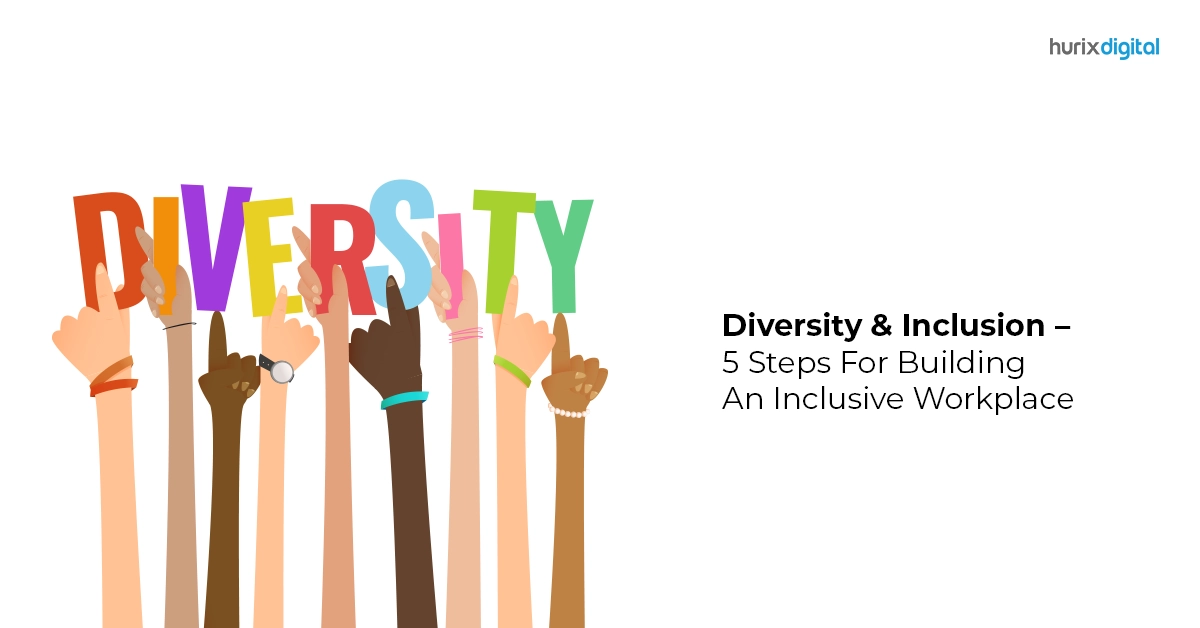
Diversity & Inclusion – 5 Steps For Building An Inclusive Workplace
Summarize with:
Diversity and Inclusion (D&I) represent two of the most essential factors in creating and maintaining a workplace that is completely safe, productive, and welcoming for all. In today’s interconnected world, the scope of inclusion has expanded beyond physical office spaces to the digital realm, making the conversation around diversity and inclusion more critical than ever.
Did you know there are more than 6 billion internet users worldwide? That accounts for more than two-thirds of the global population. However, despite this massive dependency on digital connectivity, not everyone can navigate these spaces easily. About 15% of the global population lives with some form of disability, often facing barriers that prevent equal access to opportunities. This reality highlights why diversity inclusion must encompass both organizational culture and digital accessibility.
In the recent past, D&I has become much more than just essential HR checklist items like policies, procedures, and headcounts. The practice has grown into a cultural phenomenon in itself, and one that every organization needs to execute correctly for it to have a direct effect on the bottom line.
In this blog, we will discuss the importance of diversity inclusion at the workplace, explore how cultural sensitivity and digital accessibility play a pivotal role, and outline five actionable steps to build a safe and inclusive workplace.
Table of Contents:
- What is Diversity Inclusion (D&I) and Why is it Important?
- The Role of Cultural Sensitivity in Diversity Inclusion
- Bridging the Gap: Digital Accessibility as an Inclusion Tool
- The Business Case: Benefits of a Diverse Workplace
- 5 Steps to Create a Diverse & Inclusive Culture
- Summing Up
What is Diversity Inclusion (D&I) and Why is it Important?
To implement effective strategies, we must first understand the core concepts. While diversity in the workplace refers to building a robust culture that promotes a varied workforce—including team members from different religions, ethnicities, cultures, genders, and abilities—inclusion is largely the concept of utilizing that diversity in a way that every employee’s unique strengths are realized.
A diverse and inclusive workplace is essentially one that makes every employee or staff member, regardless of who they are or what their role is, feel equally involved and supported in all areas of the workplace.
However, true diversity inclusion extends beyond hiring practices. It involves creating an environment where cultural sensitivity and accessibility are woven into the fabric of the company. Whether it is ensuring ADA website compliance for your digital assets or conducting diversity training, the goal is to eliminate barriers.
Imagine a world where digital and physical spaces seamlessly accommodate every individual’s unique needs and perspectives. Such a world is possible when we view diversity and inclusion through a holistic lens.
The Role of Cultural Sensitivity in Diversity Inclusion
An often overlooked aspect of diversity inclusion is cultural sensitivity, also known as cultural awareness. This refers to the emotional quotient (EQ) of any organization to recognize, respect, and effectively navigate cultural differences and nuances when interacting with individuals from diverse backgrounds.
Embracing cultural sensitivity is paramount in today’s diverse world for several reasons:
1. Promotes Inclusivity
Cultural sensitivity fosters inclusivity by acknowledging and valuing the diversity of cultures, beliefs, and backgrounds. When people feel respected and included, it leads to a more harmonious and equitable society.
2. Enhances Communication
Effective communication is vital in all aspects of life. Cultural sensitivity helps break down communication barriers, reducing misunderstandings and conflicts arising from cultural differences.
3. Strengthens Relationships
Building strong relationships, whether in business or personal life, often hinges on mutual respect and understanding. Cultural sensitivity paves the way for meaningful connections with people from different cultural backgrounds.
4. Avoids Stereotyping and Bias
Stereotypes and biases can lead to unfair judgments and discriminatory behaviors. A culture of sensitivity encourages individuals to challenge stereotypes and treat each person as unique.
Bridging the Gap: Digital Accessibility as an Inclusion Tool
In an era where remote work and digital collaboration are the norms, your D&I strategy must address the digital divide. Digital accessibility refers to the practice of designing digital content and technologies so they can be used, understood, and interacted with by all individuals, including those with disabilities.
Integrating cultural sensitivity into your accessibility initiatives enhances the user experience for everyone. Here is how focusing on accessibility supports your broader diversity and inclusion goals:
The 4 Pillars of Digital Accessibility
To ensure your workplace tools and external content are inclusive, they should adhere to these pillars:
- Perceivability: Content must be presented in a way that users can perceive, regardless of sensory abilities (e.g., alt text for images).
- Operability: Interfaces must be navigable by various methods, such as keyboard-only navigation or voice commands.
- Understandability: Information and user interfaces must be clear, avoiding confusion or unexpected behaviors.
- Robustness: Technologies should remain compatible with current and future assistive tools, like screen readers.
Enhancing Accessibility with Cultural Awareness
When you combine accessibility with cultural sensitivity, you create a truly unified digital space.
- Content Relevance: Cultural sensitivity ensures digital content resonates with diverse audiences, increasing engagement.
- Multilingual Support: Including multiple languages makes content accessible to non-English speakers, expanding your reach.
- Cultural Symbols and Icons: Being culturally sensitive helps in choosing symbols that are universally understood, reducing confusion across different regions.
- Compliance with International Standards: Many guidelines, such as the Web Content Accessibility Guidelines (WCAG), emphasize cultural sensitivity. By meeting these standards, you ensure your accessibility solutions are robust and compliant.
The Business Case: Benefits of a Diverse Workplace
D&I investment is not just a moral imperative; it is a smart business strategy. There are several benefits of building a diverse and inclusive workplace:
- Innovation: Diversity and inclusiveness foster a more creative and innovative workforce by bringing together different perspectives.
- Competitiveness: The practice allows businesses to create a competitive economy in today’s globalized world.
- Performance: Employees who feel valued and heard at work are more likely to perform better.
- Economic Growth: A diverse and inclusive workforce drives economic growth and can capture a bigger share of the consumer market.
5 Steps to Create a Diverse & Inclusive Culture
Building a diverse and inclusive culture means taking targeted steps to create new policies and procedures or abolish some of the previous ones entirely. It requires moving beyond theory and into practice.
Here are five comprehensive steps to create a more diverse workforce:
1. Establish a Sense of Belonging
For every employee at the workplace to bring their best self forward, it is essential to create a sense of belonging. Having a powerful connection to the organization helps in bringing in much greater engagement and creativity in the workplace.
Some of the tips that can help achieve this objective include:
- Conducting diversity workshops and cultural training periodically to end unconscious bias and educate managers and employees about the importance of inclusiveness.
- Creating a robust employee feedback system to give employees and managers a voice of their own.
- Conducting a comprehensive evaluation of the workplace to assess how inclusive the work environment is.
- Ensuring your internal digital platforms are accessible. For example, ensuring your training modules have captions and are compatible with screen readers sends a strong message that everyone belongs.
2. Practice Inclusive & Empathetic Leadership
Most organizations treat diversity and inclusion as a standalone initiative owned exclusively by HR teams. But to bring in true change, every leader in the company needs to own up to the responsibility of following D&I practices through an inclusive and empathetic leadership style.
Leaders of organizations need to create a safe work environment where all employees feel heard and welcome and are able to speak up freely. They should make sure to embrace the input of every employee, especially the ones whose expertise and background differ from their own.
This leadership approach fosters collaboration among diverse staff, facilitates constructive arguments, and ensures leaders act upon the advice of diverse employees.
3. Integrate D&I Into Your Core Values
To be able to build a truly diverse and inclusive workforce, every organization needs to make it a habit to revisit its core values periodically and ensure that it follows a culture of inclusiveness. D&I should not be an afterthought; it must be part of your DNA.
Here are some of the ways through which you can achieve this:
- Take employee feedback regularly to check their experience in the organization.
- Create a dedicated panel of members, ranging across different departments, to ensure the transparency and fairness of the process.
- Ensure that employees belonging to different races, genders, cultures, and ethnicities have a say in the decision-making process in the organization.
4. Acknowledge & Honor Different Religious & Cultural Practices
Honoring and acknowledging multiple cultural and religious practices at the workplace is a great start towards implementing D&I practices. One of the ways to do this is by focusing on holidays and celebrations.
Furthermore, this acknowledgment should extend to your digital presence. As mentioned earlier regarding cultural sensitivity, ensure your communications do not rely on idioms or symbols that alienate specific groups. When your employees feel satisfied and fully supported in their work environment (both culturally and spiritually), the company benefits from better productivity and higher employee retention.
5. Model the Change
Leaders must consciously and actively model their commitment to diversity and inclusion in order to inspire the staff and the rest of the organization to commit to bringing the change.
By making a visible commitment to inclusion and systematically launching an initiative that is focused on results, leaders can model the change they want to see while inspiring employees to engage in the initiative at the same time.
Some of the tips to model the change and create a more diverse workforce include:
- Maintaining a holiday policy based on different cultures to make sure that your employees get leave for holidays that are not necessarily covered in the official company holiday calendar.
- Facilitating your hiring process to include candidates from a wide range of community outreach programs, hiring consultancies, and job fairs. This will ensure that your organization hires a variety of diverse talents.
- Revisiting your compensation policy to ensure that your company pays employees based on their skills and job title instead of their gender, race, and sexual orientation.
Additional Best Practices for Diversity Inclusion
Apart from these five major steps, organizations should consistently monitor and refine their approach. Consider implementing these additional best practices:
- Fair Treatment: Ensure fair treatment and equal access to opportunities for every employee.
- Collaboration: Maintain a focus on innovation, creativity, teamwork, and collaboration.
- Conflict Resolution: Implement robust and collaborative conflict resolution processes.
- Agility: Foster organizational flexibility, agility, and responsiveness.
- Representation: Ensure representation of diversity and inclusivity at all levels of the organization.
- Education: Provide dedicated diversity education and training, including training on learner paths in employee training.
Summing Up
The concept of diversity inclusion in the workplace continues to gain traction in the corporate world as its benefits have become increasingly clear. By embracing cultural sensitivity and ensuring digital accessibility, we unlock the potential to bridge the digital divide and foster inclusivity on a global scale. This synergy empowers us to create digital content, technologies, and experiences that resonate with and cater to the diverse needs of people from all corners of the world.
If businesses wish to grow and thrive in today’s competitive work environment, it is imperative to embrace diversity and inclusivity practices. These practices lead to better teams, more efficient decision-making, and greater innovation.
To be able to do this, business leaders must come together and address discrimination that continues to hinder workplaces. The need is to unleash every talent and, in the process, create more equity, profit, and a safe, healthy work environment.
As we move into a highly digital world, digital accessibility solutions are not just about enabling businesses to get an edge over the competition. They are now practical and necessary to ensure that the digital space becomes a place for all.
Need to know more about our products and services? Drop us a note at marketing@hurix.com or contact us to benefit from the best web accessibility and content solutions.
Summarize with:

Vice President – Content Transformation at HurixDigital, based in Chennai. With nearly 20 years in digital content, he leads large-scale transformation and accessibility initiatives. A frequent presenter (e.g., London Book Fair 2025), Gokulnath drives AI-powered publishing solutions and inclusive content strategies for global clients