 A Space for Thoughtful

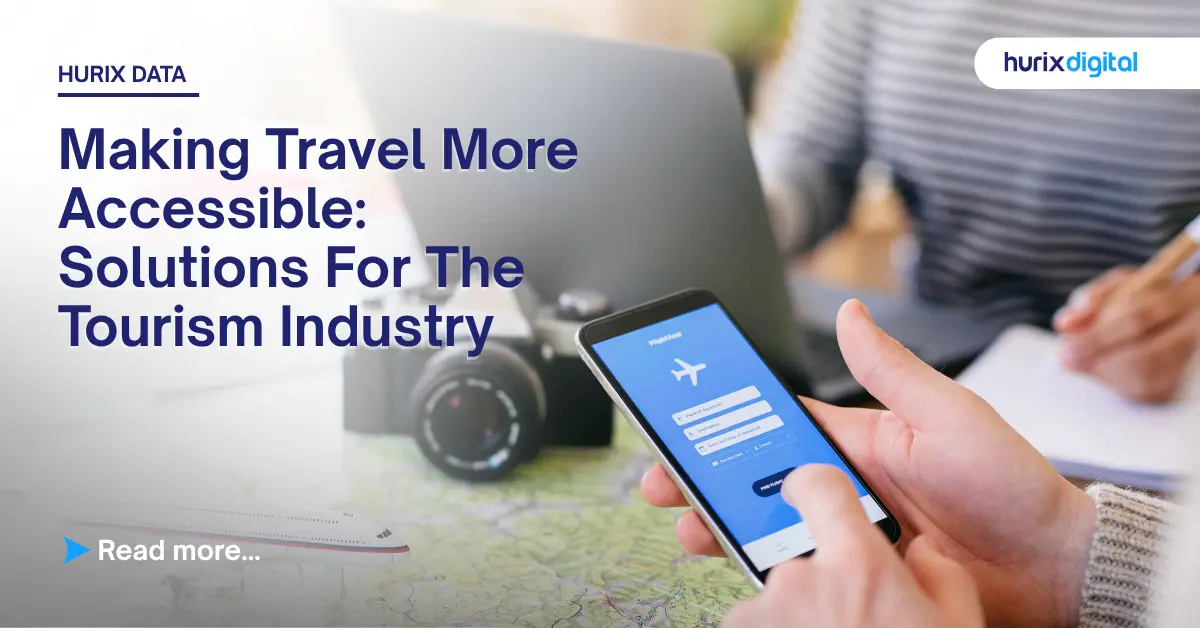
Making Travel More Accessible: Solutions For The Tourism Industry
Summarize with:
In the strive to become an inclusive society, what must be recognized, first and foremost, is that not all individuals have the same needs and abilities. This is particularly true in the tourism industry, where accessible travel solutions are a fundamental component of ensuring that everyone has the means and opportunity to enjoy the pleasures of travel.
From individuals with disabilities to seniors, from families with young children to those with language barriers, there is a significant and growing need for accessible travel. In fact, as we move through 2026, the definition of accessibility has expanded beyond physical ramps to include digital experiences and personalized service delivery.
This blog post will explore the criticality of accessibility in the tourism industry and the innovative solutions being developed to improve accessibility for all travelers. We will delve into the importance of web accessibility, the evolution of standards, and how personalized learning can transform hospitality staff into inclusivity champions.
Table of Contents:
- The State Of Accessibility In The Tourism Industry
- Innovative Solutions For Accessibility In Travel
- Designing for All: The Evolution of Standards
- Strategies For Improving Web Accessibility In Travel
- Legal Requirements For Accessibility In Travel
- Summing It Up
The State Of Accessibility In The Tourism Industry
The current state of accessibility in travel leaves much to be desired. While there have been some improvements in recent years, the reality is that travel remains inaccessible for many individuals.
Historically, data have shown that individuals with disabilities are less likely to travel than those without disabilities. This is due in part to the lack of accessibility in many travel destinations, as well as the limited availability of accessible transportation, accommodation, and activities.
In this digital era, before someone even enters a hotel room, they prefer to research the hotel and its facilities online. Surveys have consistently shown that a significant percentage of travelers would leave a venue immediately if it had inadequate accessibility, while others would simply never return. This highlights that accessibility is not just a niche requirement but a core driver of customer loyalty and retention.
1. The Impact Of Inaccessibility On People With Disabilities
The impact of inaccessibility on people with disabilities cannot be overstated. Travel can be a transformative experience, allowing individuals to explore new cultures, learn about history, and create memories that last a lifetime.
But when travel is inaccessible, it becomes another barrier for people with disabilities to overcome. Inaccessibility can cause individuals with disabilities to feel excluded from society, further isolating them from the rest of the world.
It can also lead to physical and emotional challenges as individuals struggle to navigate unfamiliar environments and encounter difficult or impossible obstacles.
2. The Need For Universal Design In The Tourism Industry
Universal design is a concept that emphasizes the creation of products, environments, and experiences that are accessible to all individuals, regardless of ability. In the tourism industry, universal design means creating travel experiences that are accessible to everyone, including individuals with disabilities.
Implementing universal design in the tourism industry is important from a moral and ethical perspective and makes good business sense. A more inclusive travel industry has the potential to attract a broader range of customers, increase revenue, and foster greater customer loyalty.
Innovative Solutions For Accessibility In Travel
As the tourism industry becomes more aware of the need for accessibility, innovative accessible travel solutions are emerging that make travel more inclusive for everyone. From accessible accommodations to transportation and tours to activities, numerous initiatives are being implemented to make travel more accessible for individuals with disabilities.
A good example is the accessible beach program in Miami-Dade County, Florida, which includes wheelchair-accessible beaches, special beach wheelchairs, and beach accessibility mats that provide a stable surface for wheelchairs and strollers.
1. The Role Of Technology In Promoting Accessibility
Technology is playing an increasingly vital role in promoting accessibility in travel. For example, apps and websites now provide information on accessible travel destinations, accommodations, and activities. Some airlines have also developed apps that provide real-time information on accessible features on their planes, such as the location of accessible restrooms.
This important role that technology is fulfilling in promoting accessibility. It also provides a range of previously unavailable solutions that can make the travel industry a more inclusive and accessible environment for all travelers.
2. Web Accessibility In The Tourism Industry
Web accessibility refers to the design and development of websites and web-based applications that can be accessed and used by individuals with disabilities. Web accessibility ensures that individuals with disabilities can perceive, understand, navigate, and interact with web content and that they can do so using a variety of assistive technologies.
In the tourism industry, web accessibility is critical in ensuring that individuals with disabilities can access and use the information and services provided by travel providers. Without accessible websites, individuals with disabilities may be unable to perform many actions. This can range from booking accommodations, purchasing tickets, or obtaining important travel information, such as the location of accessible facilities.
Some shared web accessibility barriers in the tourism industry include using images without alternative text, inaccessible forms and controls, and the lack of keyboard accessibility. Additionally, some websites may use small fonts or poor color contrast, making it difficult for individuals with visual impairments to read the content.
Designing for All: The Evolution of Standards
To truly understand where we are going, it helps to look at how far we have come. Accessibility standards have evolved significantly over time. Today, people are much more aware and mindful of being inclusive.
Here is a brief look at the evolution of Accessibility Acts that have paved the way for modern standards:
- 1968: The Architectural Barriers Act ensured that there were no barriers at the entrance of any federal buildings.
- 1970: The Urban Mass Transportation Act required every public vehicle to have wheelchair lift facilities.
- 1973: The Rehabilitation Act prohibited discrimination against anyone with physical disabilities in programs conducted by federal agencies.
- 1982: The Telecommunications for the Disabled Act ensured that telecommunications equipment was manufactured in such a way that it was accessible to those with disabilities.
- 1990: The Americans with Disabilities Act (ADA) is considered to be one of the most groundbreaking acts in this regard. It prohibits discrimination against the disabled, especially in areas such as employment, public accommodations (including hospitality), transportation, communications, and government access.
These acts have helped people with disabilities access various spaces, including spaces in the hospitality sector. Today, these physical standards are merging with digital requirements to create a holistic standard for “Accessible Travel Solutions.”
Strategies For Improving Web Accessibility In Travel
The majority of travelers today rely on digital platforms to search or book hotels. Hence, it has become even more important to comply with hospitality accessibility standards not just physically but also digitally, to improve conversion rates.
To improve web accessibility in travel, travel providers can take several steps, such as conducting accessibility audits of their websites, providing alternative text for images, using accessible forms and controls, and ensuring keyboard accessibility.
1. Regular Audit for Web Accessibility
First things first, get your websites tested regularly. Unless you regularly test for accessibility standards of your hotel portals, especially your booking portal, and update them as per the latest WCAG guidelines, you are losing out on a major business potential.
2. Keyboard Accessibility in the Reservation System
Several people with motor disabilities tend to use keyboards more to surf the internet. Using a mouse can be difficult for them. Hence, it is easier for them to scroll and navigate via keyboards. If your website is not accessible via keyboard alone, then chances are higher that they might skip booking at your hotels.
3. Display Information About Your Accessibility Standards
Having accessible rooms and amenities is not enough. You have to make sure that you display all the information about your accessibility online as well as offline. If someone wants to know whether your hotel has accessible rooms or not, they should easily find the information on your portal and in your lounges.
4. Be Mindful While Using Colors and Images
Ensure that you meet the WCAG requirements for color contrast. If your text has a low contrast, it can be a problem for many with color blindness to read it. Again, the texts should not even be over-glaring to trigger seizures for some. It should maintain just the right contrast levels.
Use our free color contrast tool to instantly check color contrast!
Legal Requirements For Accessibility In Travel
In many countries, including Canada, the United States, the United Kingdom, and Australia, there are legal requirements for accessibility in the tourism industry. These laws and regulations ensure that individuals with disabilities have equal access to travel and tourism services.
Some standard legal requirements for accessibility in travel include the Americans with Disabilities Act (ADA) in the United States, the Accessibility for Ontarians with Disabilities Act (AODA) in Canada, and the Disability Discrimination Act (DDA) in the United Kingdom.
These laws and regulations require travel providers to make their facilities, services, and information accessible to individuals with disabilities.
1. The Impact Of Legal Requirements On The Tourism Industry
While legal requirements for accessibility in travel may impose additional costs and responsibilities on travel providers, they also provide significant benefits by ensuring that their facilities, services, and information are accessible to individuals with disabilities.
This helps travel providers increase their customer base and improve their reputation as inclusive and accessible businesses. Furthermore, legal requirements for accessibility in travel help to promote social inclusion and equal opportunities for individuals with disabilities.
By ensuring that individuals with disabilities have equal access to travel and tourism services, these laws and regulations help to break down barriers and promote greater participation in society.
Summing It Up
Accessibility in the tourism industry is not just a matter of meeting legal requirements but also an ethical imperative that can positively impact individuals with disabilities and the tourism industry. The tourism industry must continue to prioritize and invest in accessible travel solutions to create a more inclusive and welcoming environment for all travelers, regardless of their abilities.
It is about a holistic approach: ensuring your physical spaces meet universal design standards, guaranteeing your digital presence is WCAG compliant, and empowering your staff through personalized learning to deliver empathetic, skilled service.
Looking for a reliable and effective web accessibility solution to make your travel website accessible to all users, including those with disabilities? Hurix’s web accessibility solutions can help you create a fully compliant and accessible website that meets industry standards.
Our team of accessibility experts can assist you in identifying and resolving accessibility barriers, implementing accessibility features, and providing ongoing support to ensure your website remains accessible and user-friendly for all.
Furthermore, if you need to train your workforce to better serve diverse needs, Hurix Digital is a leading provider of digital learning solutions. We can help you design learner journeys that are personalized, relevant, and practical.
Contact us today to find out how we can help you create a truly accessible ecosystem for your hospitality business.
Summarize with:

Vice President – Content Transformation at HurixDigital, based in Chennai. With nearly 20 years in digital content, he leads large-scale transformation and accessibility initiatives. A frequent presenter (e.g., London Book Fair 2025), Gokulnath drives AI-powered publishing solutions and inclusive content strategies for global clients