 A Space for Thoughtful
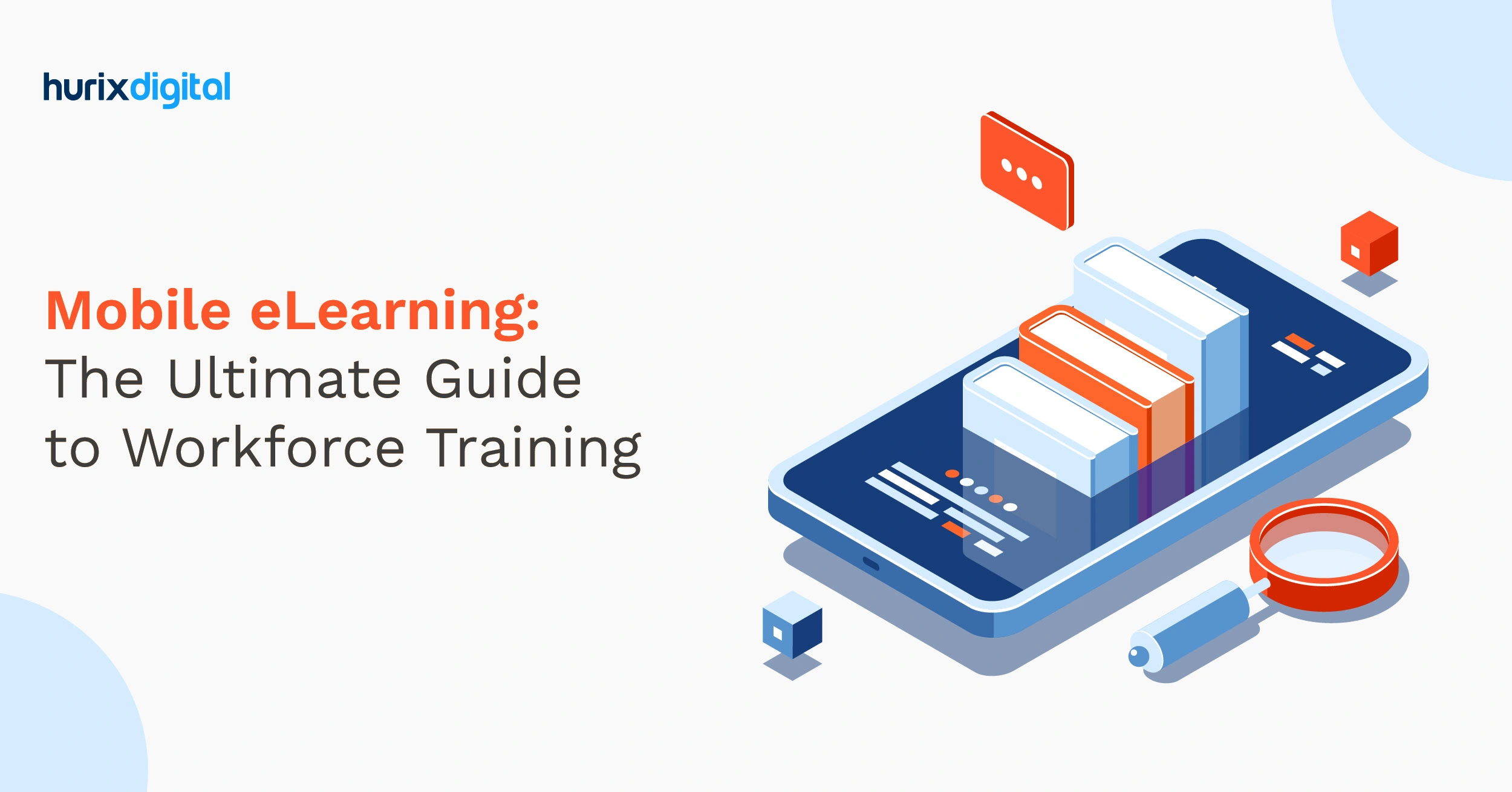
Mobile eLearning: The Ultimate Guide to Workforce Training
Summarize with:
Mobile learning, or mLearning, has fundamentally shifted how we approach employee training and development. As smartphones and tablets become central to our daily lives, leveraging these devices for professional growth is no longer an option but a necessity. Companies are increasingly adopting mobile eLearning strategies to deliver timely, accessible, and engaging training content to their workforce. This approach not only boosts employee performance but also drives significant business growth.
The transition toward mobile-first learning solutions acknowledges that modern employees need flexibility. They require access to information on the go, whether they are on a sales call, traveling, or working remotely. By integrating mobile eLearning into corporate training, organizations can foster a culture of continuous learning, enhance knowledge retention, and ultimately, improve productivity. This comprehensive guide will explore the world of mobile eLearning, its benefits, implementation strategies, and its profound impact on the corporate learning landscape.
Table of Contents:
- What is Mobile eLearning (mLearning)?
- Why is Mobile Learning a Must-Have for Businesses Today?
- Key Benefits of Mobile Learning for Employee Training
- Integrating Mobile eLearning into Your Corporate Training Strategy
- Overcoming Challenges in Mobile Learning Implementation
- A Final Word
What is Mobile eLearning (mLearning)?
Mobile learning is an educational strategy that utilizes mobile devices like smartphones, tablets, and laptops to deliver learning content. It allows learners to access training materials anytime and anywhere, breaking free from the constraints of traditional desktop-based or classroom learning. The core idea behind mLearning is to make learning a seamless part of an employee’s daily workflow.
Unlike traditional eLearning, which often involves long, structured courses, mLearning focuses on delivering content in bite-sized, manageable formats. These “learning nuggets” can include short videos, quizzes, infographics, podcasts, and interactive simulations. This microlearning approach is perfectly suited for the mobile experience, catering to shorter attention spans and the need for just-in-time information. An effective mobile learning management system (LMS) is crucial for deploying, tracking, and managing these learning activities efficiently across an organization.
The rise of the “mobile-first” generation of employees, who are accustomed to using mobile apps for almost everything, makes mLearning particularly relevant. These digital natives expect their workplace tools to be as intuitive and accessible as the consumer apps they use daily. Therefore, adopting a mobile learning platform is not just about technology; it’s about meeting the evolving expectations of the modern workforce.
Why is Mobile Learning a Must-Have for Businesses Today?
The corporate world is undergoing a significant transformation, with remote work and flexible schedules becoming the norm. In this new paradigm, mobile learning has emerged as a critical tool for ensuring that employees remain skilled, engaged, and productive. Organizations that fail to adapt to this shift risk falling behind in a competitive marketplace.
1. The Growing Mobile Workforce
The modern workforce is increasingly mobile. Whether it’s sales teams on the road, technicians in the field, or employees working from home, the need for accessible training has never been greater. Mobile learning provides the flexibility for these employees to learn at their own pace and at their point of need. Instead of waiting for a formal training session, an employee can quickly access a tutorial on their phone to solve an immediate problem. This “just-in-time” learning capability is a game-changer for productivity and efficiency.
2. Bridging the Learning Gap
There is often a gap between the formal training employees receive and the practical knowledge they need to perform their jobs effectively. Mobile learning helps bridge this gap by providing continuous access to information. An engineer can review product specifications on their tablet before a client meeting, or a retail employee can watch a short video on handling customer complaints right from the shop floor. This immediate access to relevant content ensures that learning is applied directly to real-world situations, enhancing its impact. For example, a global organization can use a mobile learning app to deliver consistent training on new compliance standards to all its employees simultaneously, regardless of their location.
Key Benefits of Mobile Learning for Employee Training
Integrating a mobile learning strategy offers a multitude of advantages that directly contribute to both employee development and organizational success. These benefits span from increased engagement and flexibility to improved knowledge retention and cost-effectiveness.
1. Flexibility and Accessibility
The most significant advantage of mLearning is the unparalleled flexibility it offers. Employees are no longer tied to a specific time or place for their training. They can learn during their commute, while waiting for a meeting, or from the comfort of their home. This “anytime, anywhere” access empowers employees to take control of their learning journey, fitting it into their unique schedules. This autonomy not only boosts satisfaction but also encourages a more proactive approach to professional development.
2. Enhanced Engagement and Completion Rates
Mobile learning content is typically designed to be interactive and engaging. The use of gamification, quizzes, short videos, and other multimedia elements captures learners’ attention more effectively than traditional text-heavy manuals. This engaging format leads to higher course completion rates. When learning feels less like a chore and more like an interactive experience, employees are more motivated to see it through. As a result, organizations see a better return on their training investment.
3. Improved Knowledge Retention
The human brain retains information better when it is delivered in short, focused bursts. This is the principle behind microlearning, a cornerstone of effective mLearning. By breaking down complex topics into bite-sized modules, mobile learning helps prevent cognitive overload and improves long-term retention. Repetition and reinforcement, facilitated through push notifications and regular quizzes, further solidify knowledge. This ensures that the training isn’t just completed but truly absorbed and remembered.
4. Just-in-Time Learning Support
Mobile learning excels at providing on-demand support. Imagine a service technician who needs to recall a specific repair sequence. Instead of flipping through a bulky manual, they can pull up a quick video tutorial on their smartphone. This immediate access to information improves performance, reduces errors, and increases efficiency. It transforms learning from a scheduled event into a continuous, integrated part of the workflow.
5. Fosters a Culture of Continuous Learning
By making learning resources readily available, mLearning encourages employees to pursue knowledge independently. It supports a culture where learning is not a one-time event but an ongoing process. Employees can explore topics that interest them, brush up on skills, and stay current with industry trends. This continuous learning mindset is vital for personal career growth and for maintaining a competitive edge as an organization.
6. Personalized Learning Paths
Modern mobile learning platforms can deliver personalized learning experiences. By tracking an employee’s progress, role, and performance data, the system can recommend relevant content and create customized learning paths. This tailored approach ensures that each employee receives the training they need most, making the learning process more efficient and impactful. Personalization makes employees feel that the organization is invested in their individual growth.
7. Cost-Effectiveness
While there is an initial investment in developing or licensing a mobile learning platform, the long-term cost savings can be substantial. mLearning reduces or eliminates the need for physical classroom space, travel expenses for trainers and employees, and printed training materials. The ability to update content digitally also means that training materials can be kept current at a much lower cost.
8. Scalability
Mobile learning solutions are highly scalable. Whether you are training a team of ten or a global workforce of thousands, a mobile learning platform can deliver consistent training to everyone simultaneously. New courses and updates can be rolled out instantly, ensuring that the entire organization is aligned and up-to-date with the latest information and procedures.
Integrating Mobile eLearning into Your Corporate Training Strategy
Successfully implementing mobile eLearning requires more than just making existing content available on mobile devices. It demands a thoughtful strategy that considers content design, technology, and your organization’s culture.
1. Adopt a Mobile-First Design Approach
Content created for mobile consumption must be designed differently from traditional eLearning modules. This means embracing a “mobile-first” philosophy.
- Create Bite-Sized Content: Break down long courses into short, focused microlearning modules (3-5 minutes). These can be easily consumed on the go.
- Use Responsive Design: Ensure your content displays correctly on various screen sizes and orientations. The user experience should be seamless on both smartphones and tablets.
- Optimize for Touch Interaction: Design intuitive navigation with large buttons and simple gestures. Avoid complex menus or small text links that are difficult to tap.
- Leverage Multimedia: Incorporate videos, podcasts, and infographics. These formats are highly effective on mobile devices and cater to different learning preferences.
2. Choose the Right Mobile Learning Platform
Selecting the right technology is crucial. Your mobile learning management system (LMS) or learning platform should support your strategic goals. Key features to look for include:
- Offline Access: Allows employees to download content and learn even without an internet connection.
- Push Notifications: Can be used to send reminders, announce new courses, and prompt reinforcement activities.
- Social Learning Features: Tools like discussion forums, chats, and leaderboards can foster collaboration and healthy competition.
- Robust Analytics: Provides insights into learner engagement, completion rates, and performance, allowing you to measure the ROI of your training programs.
- SCORM and xAPI Compliance: Ensures compatibility with a wide range of authoring tools and allows for detailed tracking of learning activities.
3. Transform Existing Content for Mobile
You don’t have to start from scratch. Much of your existing training material, such as PowerPoint presentations, PDFs, and long-form videos, can be repurposed for mLearning.
- Convert Slides to Videos: Turn a lengthy presentation into a series of short, narrated videos.
- Extract Key Information: Create infographics, checklists, or job aids from dense documents.
- Chunk Content: Break down hour-long webinars into smaller video clips, each focusing on a specific topic.
- Develop Interactive Scenarios: Convert text-based case studies into interactive, branching scenarios that challenge learners to make decisions.
4. Promote and Foster Adoption
A successful mLearning program needs buy-in from employees.
- Communicate the Benefits: Clearly explain how mobile learning will help employees in their roles. Highlight the flexibility and convenience.
- Provide Training: Offer a brief orientation on how to use the mobile learning platform.
- Incentivize Participation: Use gamification elements like badges, points, and leaderboards to motivate learners.
- Lead by Example: Encourage managers and senior leaders to actively use the platform and champion its benefits.
Overcoming Challenges in Mobile Learning Implementation
While the benefits are clear, organizations may face hurdles when implementing an mLearning strategy. Anticipating these challenges can help you develop effective solutions.
- Device and Connectivity Issues: Not all employees may have company-provided smartphones, and internet access can be unreliable in some areas. A solution is to adopt a Bring Your Own Device (BYOD) policy with clear guidelines and ensure your platform offers offline access.
- Content Quality: Simply shrinking desktop content for a mobile screen doesn’t work. It’s essential to invest in instructional design experts who understand how to create engaging and effective mobile-first learning experiences.
- Security Concerns: When company data is accessed on personal devices, security is a major concern. Implement robust security measures, such as secure logins, data encryption, and remote data wipe capabilities, through a reliable mobile device management (MDM) solution.
- Measuring ROI: It can be challenging to directly link mobile learning to business outcomes. Use a platform with strong analytics to track key metrics like engagement, knowledge retention (through assessments), and on-the-job performance improvements. Correlate this data with business KPIs to demonstrate value.
A Final Word
The shift to mobile learning is not just a trend; it’s an evolution in how we empower our workforce. As technology continues to advance, we can expect mLearning to become even more sophisticated, with the integration of augmented reality (AR), virtual reality (VR), and artificial intelligence (AI) creating highly immersive and personalized learning experiences.
Organizations that embrace mobile eLearning now will be better positioned to attract and retain top talent, adapt to market changes, and foster a dynamic culture of continuous improvement. By providing employees with the tools they need to learn and grow on their own terms, you are investing in your most valuable asset: your people.
Convinced about the benefits of mLearning? Schedule a call with one of our experts to get a successful mLearning solution that blends in and adds value to your existing training program.
Summarize with:

Chief Learning & Innovation Officer –
Learning Strategy & Design at Hurix Digital, with 20+ years in instructional design and digital learning. She leads AI‑driven, evidence-based learning solutions across K‑12, higher ed, and corporate sectors. A thought leader and speaker at events like Learning Dev Camp and SXSW EDU