 A Space for Thoughtful
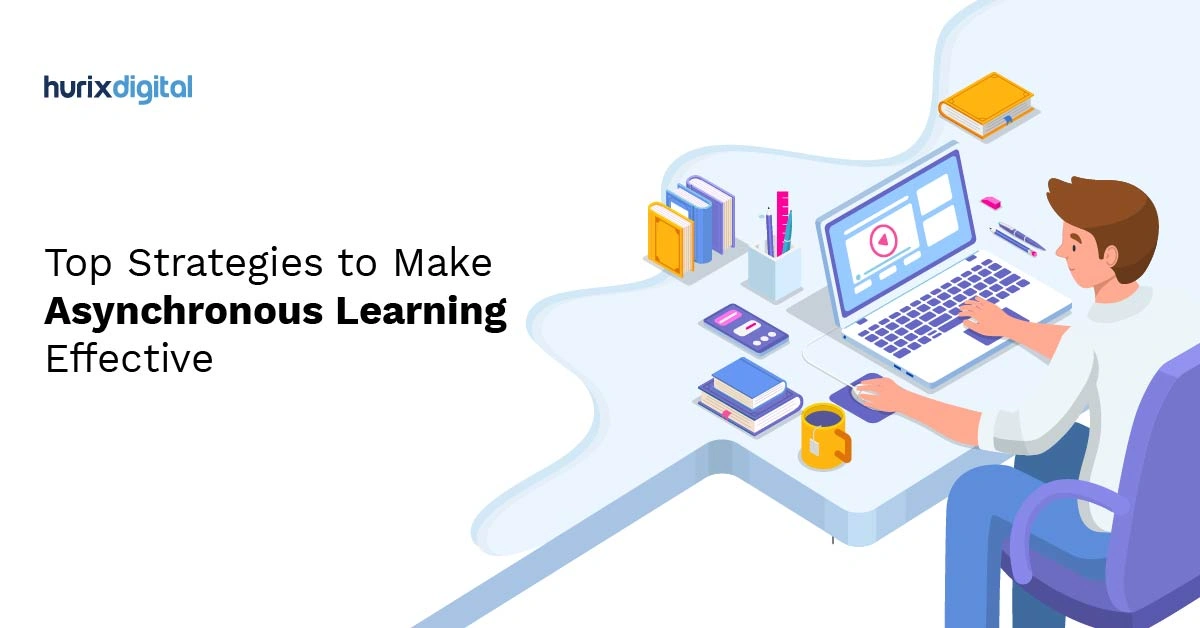
Top 7 Strategies to Make Asynchronous Learning Effective
Summarize with:
With asynchronous learning, students can finish their assignments and courses at their own speed without attending in-person classes or logging in at set times. This model offers unmatched flexibility and continuous access to learning resources. However, despite its many benefits, a common challenge is maintaining student engagement and motivation.
This blog will explore a comprehensive set of practical methods for making asynchronous learning a dynamic and productive environment. We will cover everything from defining the core concepts of online learning to implementing advanced strategies that foster connection, collaboration, and critical thinking.
Table of Contents:
- What is Asynchronous Learning?
- What is Synchronous Learning?
- Which Learning Model Should You Choose?
- Top Strategies for Engaging Asynchronous Learning
- Set Clear Expectations and Define Learning Objectives
- Include Interactive Elements in the Course
- Facilitate Engaging and Dynamic Online Discussions
- Include a Variety of Resource Links within the Course
- Dedicate an Online Facilitator to Guide the eLearning Experience
- Design Activities That Encourage Critical Thinking
- Break Up Long Sessions with Microlearning
- Embracing Collaboration in Asynchronous Learning
- The Future is Flexible: The Way Forward
- Final Words
What is Asynchronous Learning?
Asynchronous learning is a student-centered educational model where learning is not restricted by time or place. Instructors provide learning materials, such as pre-recorded video lectures, reading assignments, and project outlines, which students can access at their convenience. They can absorb information, complete demonstrations, and submit assignments on a schedule that best suits their individual needs.
The advantages of this learning model are significant and cater to the modern learner’s lifestyle.
1. Higher Flexibility
Compared to its synchronous counterpart, asynchronous learning provides much higher flexibility. Students do not need to be in the same place at the same time. This structure allows them to balance their education with work, family, or other commitments, accessing learning resources whenever and wherever they choose.
2. Easy Pacing
Asynchronous learning also allows students to set their own pace. Learners can move through material as quickly or as slowly as they need to, based on their prior knowledge and comprehension of a topic. This personalized approach means they can either start from scratch or build upon existing knowledge in a way that aligns with their unique learning style.
3. Greater Affordability
In terms of cost-effectiveness, asynchronous learning often comes out ahead. Since it doesn’t require live, daily instruction or the continuous presence of an instructor, the content and delivery can be more affordable. This enables students to access high-quality education at a more modest rate.
What is Synchronous Learning?
In contrast, synchronous learning is the mode of learning where all students are engaged in a learning activity in real-time. This means they are present at the same place, at the same time, and are therefore exposed to the same learning process simultaneously. The “place” can be a traditional brick-and-mortar classroom or a live virtual session, but the key condition is that collaboration and feedback happen on the spot.
Synchronous learning offers its own distinct set of benefits.
1. Dynamic Learning
Synchronous learning allows for the dynamic exploration of topics and concepts. The real-time nature of the interaction imparts a certain depth of instruction and allows for immediate clarification and discussion, making the training routine more energetic and responsive.
2. Instant Feedback
A defining characteristic of synchronicity in learning is immediate feedback. Instructors can promptly identify and correct student mistakes. Likewise, students can ask questions and receive guidance without needing to schedule separate appointments, creating a direct line of communication.
3. Better Engagement
Finally, synchronous learning can facilitate continuous and consistent engagement. With tools like video-conferencing, live broadcasts, and real-time chat, it promotes a strong sense of community and shared understanding among participants.
Which Learning Model Should You Choose?
Depending on your learning targets, course content, delivery methods, and resource availability, you are free to pick the form of learning that appeals to you most. However, for many institutions looking toward the future, it is smart to opt for asynchronous learning over or in combination with synchronous learning.
Asynchronous learning enables you to create a self-guided and self-paced environment that transcends the constraints of time, location, or resources. This approach makes your content more engaging, convenient, and interactive. Consequently, it gives your students the flexibility to learn, absorb, and progress at their own pace. As a learner-centric method, asynchronous online learning often results in a better user experience, a lower price point, and a more focused training approach.
Top Strategies for Engaging Asynchronous Learning
Here’s how educational institutions can make asynchronous eLearning more engaging and effective.
1. Set Clear Expectations and Define Learning Objectives
In an asynchronous learning setup, it is crucial to set clear expectations and define learning objectives from the outset. To keep learners engaged and on track, the syllabus should clearly outline what is expected of them, the skills they will develop, and the deadlines they must meet.
Consider addressing the following factors:
- How much time should students set aside each week for coursework?
- When are specific activities and assignments due?
- Where can students find announcements, updates, and Q&A forums?
- When can students expect feedback on their submitted work?
- Which activities are mandatory, and which are optional?
- What is the average response time for questions posted on discussion forums or sent via email?
Having a clear idea of the course structure and objectives helps learners stay on track and encourages them to become active participants in their own learning journey.
2. Include Interactive Elements in the Course
Including a variety of interactive elements is key to designing asynchronous classes that are more engaging, exciting, and informative.
Some of these elements include:
- Podcasts
- Videos
- Gamification
- Simulations
Unlike traditional text-based material, these online learning solutions appeal to different learning preferences. Furthermore, to boost interactivity, you can also consider game-based learning and scenario-based learning. This allows learners to see how they can apply their newly acquired skills or knowledge to resolve real-world problems.
3. Facilitate Engaging and Dynamic Online Discussions
Dynamic discussion boards are an essential component of engagement in asynchronous online classes. Once you decide on the learning outcomes for a discussion, start with effective prompts. Here are some tips:
- Include questions that ask students to analyze or interpret course content.
- Keep the number of initial questions between three and four so students can respond thoughtfully.
- Encourage students to share opinions based on personal experiences, allowing them to connect with the subject matter more effectively.
Additionally, you can encourage participation in discussion forums by providing targeted feedback. This helps to:
- Identify and address misconceptions without delay to avoid confusion.
- Provide timely responses to all questions and comments.
- Promote openness and allow a variety of opinions to coexist.
4. Include a Variety of Resource Links within the Course
One of the most important elements of an asynchronous learning strategy is the reliance on a variety of online resources. When you include relevant resource links within the online course, it allows learners to access important documents, articles, and websites to better understand the subject matter. For instance, you could hyperlink relevant TED Talks or webinars that you think might be useful for a particular module.
5. Dedicate an Online Facilitator to Guide the eLearning Experience
Although the concept of asynchronous learning is not instructor-led in real-time, dedicating an online facilitator who can guide the overall learning experience and offer regular assistance can be extremely helpful. It’s important to remember that this facilitator does not need to be an active participant in every discussion but rather an individual who initiates conversations and encourages students to interact with their peers and the course content. Moreover, the facilitator can act as a moderator for online forums, helping to move discussions forward by asking important follow-up questions.
6. Design Activities That Encourage Critical Thinking
While asynchronous classes involve students completing assignments remotely, that doesn’t mean they should only watch a recorded lesson or read passively. One of the best ways to encourage students to think critically is to design activities and assignments that require them to be active participants. By creatively designing activities, you ensure students remain engaged in asynchronous classes, regardless of their location, and learn to apply their knowledge.
7. Break Up Long Sessions with Microlearning
Some students may have difficulty paying attention to lengthy lecture content. This often results in distraction and a loss of focus. To combat this, it is best to record several 5-10 minute micro-sessions instead of a single, long lecture video. This microlearning approach helps keep engagement levels high because:
- Students are more likely to watch several short videos compared to one long one.
- Students find it easier to locate and review a specific topic they find challenging.
- It is much easier for students to organize and retain knowledge delivered in smaller, bite-sized chunks.
Embracing Collaboration in Asynchronous Learning
Asynchronous and active learning offers flexibility, but encouraging student cooperation can greatly increase engagement and productivity. The learning process is enhanced by collaborative exercises, which not only promote peer interaction but also mimic some of the valuable social dynamics found in traditional classrooms.
Here’s how to effectively integrate collaboration into your asynchronous teaching strategies:
1. Encourage Group Projects
Designing group projects tailored to course objectives can significantly boost interaction among students. For example:
- Team-Based Assignments: Ensure students actively participate in assignments that require cooperation via shared documents and collaborative platforms.
- Peer Evaluations: Encourage students to provide their peers with helpful criticism on assignments, fostering a culture of constructive feedback.
- Case Studies: Establish a framework that fosters critical thinking and teamwork by having groups analyze case studies or develop solutions to actual problems.
2. Utilize Peer Learning Platforms
Include resources and platforms for peer learning, such as shared digital whiteboards or dedicated online forums, where students can work together to brainstorm ideas, address questions, and explore concepts. These platforms make learning more engaging by fostering a virtual classroom environment where students collaborate and study as a group. To ensure equal participation, you can assign roles like presenter, note-taker, or group leader.
3. Host Collaborative Online Discussions
Leverage discussion boards or breakout room features in your learning management system to promote topic-specific discussions.
- Motivate students to respond to their peers’ posts thoughtfully, adding value to the discussion with their unique viewpoints.
- Introduce reflective activities where students synthesize key takeaways from peer discussions into actionable insights, reinforcing what they’ve learned.
Collaboration in asynchronous learning offers numerous benefits:
- Enhanced Engagement: It fosters a sense of community, which is critical in an online environment that can sometimes feel isolating.
- Better Critical Thinking: Group activities encourage students to critically examine diverse viewpoints.
- Skill Building: Working in teams enables students to hone their leadership, cooperation, and communication skills.
- Deeper Learning: By explaining concepts to their peers, students solidify their own understanding of the material.
The Future is Flexible: The Way Forward
Looking ahead, the integration of digital education in schools, colleges, and universities will only continue to accelerate. Educational institutions, regardless of their physical or financial infrastructure, are increasingly running courses that rely on innovation, access, and technology. The online education market continues its powerful growth trajectory, connecting millions of users across the world.
In this burgeoning landscape, the choice between synchronous and asynchronous learning—or a blend of both—becomes a critical strategic decision. While asynchronous models offer unparalleled flexibility and outreach, the ultimate choice must suit the specific needs of your learners and the requirements of your curriculum. Whichever methodology you choose, ensure that the overall educational experience remains engaging, diverse, and enriching. That in itself is the true measure of success.
Final Words
Creating an effective asynchronous learning experience is a combination of clear purposes, interactive content, collaboration, and thoughtful facilitation. While asynchronous strategies prioritize flexibility, they also open doors for creative approaches that actively involve students in their own education. By setting clear goals, introducing interactive and collaborative elements, and fostering critical thinking, educators can transform asynchronous teaching into a dynamic and inclusive experience.
Hurix Digital is at the forefront of creating eLearning solutions that cater to the evolving needs of modern education. Whether designing interactive content, developing collaborative platforms, or implementing critical thinking activities, we help organizations redefine asynchronous learning.
Do you have questions? Our team would be happy to assist you in exploring how our solutions can enhance your educational offerings.
Summarize with:

Senior Vice President – Business Development
at Hurix Digital, with over 25 years of experience in EdTech and workforce learning. He excels in business development, customer relationship management, and scaling digital learning solutions, driving global growth through innovative content, simulations, and AI‑driven training offerings