 A Space for Thoughtful
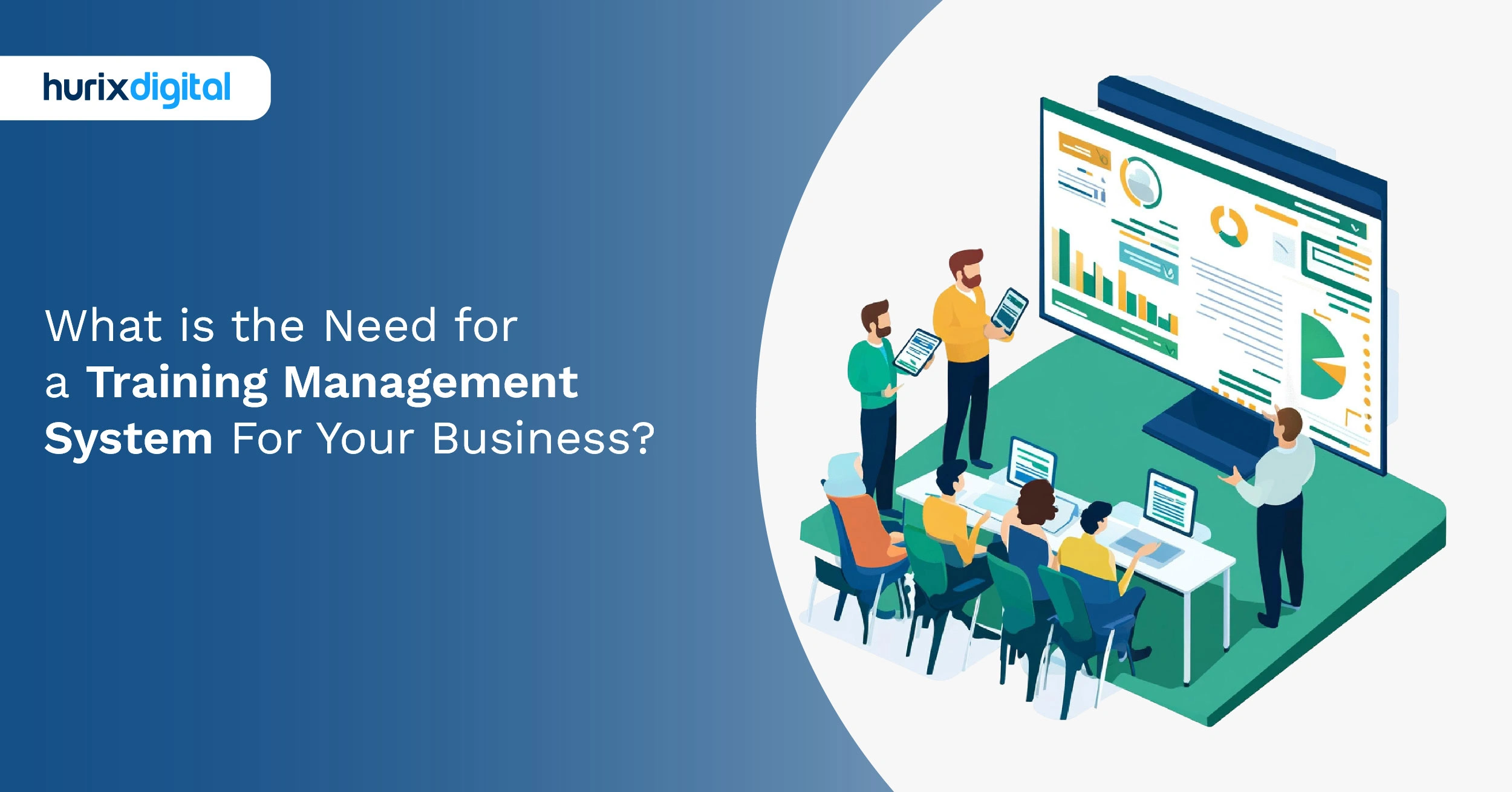
What is the Need for a Training Management System For Your Business?
Any new employee, regardless of their skill, position, or workplace, needs time to fit in. This period involves learning about the company’s policies, ethics, and workflow. An efficient system can streamline this entire process, ensuring new hires feel supported and equipped from day one.
Did you know you can increase your training efficiency by up to 93%? Yes, implementing a training management system can work wonders for your company. With 58% of employees preferring to learn at their own pace, a flexible and powerful training solution is no longer a luxury.
An efficient training management system facilitates a seamless way for employees to learn and train for complex scenarios. That is why the TMS industry is expected to reach a whopping global value of approximately $41 billion by 2029.
Integrating a TMS can have a great impact on your business growth. It can help employees develop a learning habit while providing them with all the necessary information, eliminating the need for additional human resources. However, businesses must completely understand training systems before using them effectively.
Table of Contents:
- What is a Training Management System?
- Features Every Training Management System Must Include
- Benefits of Using a Training Management System
- Points to Consider Before Deploying a Digital Training Management System
- In Conclusion
What is a Training Management System?
A training management system (TMS), often integrated with a learning management system (LMS), is a software application designed to provide e-training and e-learning solutions. While the two systems share similarities and often complement each other, there is a crucial difference. An LMS typically focuses on managing eLearning for its users, whereas a TMS handles both digital learning and instructor-led training (ILT), covering a broader spectrum of corporate education needs.
In an era when 82% of employees prefer to work from home, the system can be of utmost help. A TMS is used by multinational companies, corporate offices, and educational institutes to manage their employee training requirements and back-office administrative duties. It not only trains employees but also administers, delivers, reports, analyzes, schedules, and tracks their progress.
Each department in a company has different administrative and training needs. It would be a waste of time to train employees of different departments through a singular training module. At the same time, making a different set of training modules for each department manually can be an extremely time-consuming and exhausting task. This is where a training management system comes into play. It can organize, schedule, and run multiple sets of training modules simultaneously, taking care of tasks like classroom booking, attendance, and other class-related communications.
Features Every Training Management System Must Include
Before implementing a company-wide TMS, it is crucial to understand what it must include:

1. Online Registration System
Imagine your company just went through a major hiring process with over 500 new employees. All of them must undergo orientation and department-specific training. A TMS with an online registration system simplifies this process. New employees can log into a portal and register for mandatory and optional training modules, followed by automatic attendance tracking and report generation. This creates a smooth and convenient onboarding experience.
2. Course Management
A training management system can organize and run multiple courses and training modules at the same time. Through its course management feature, the admin can add and create new modules whenever necessary, along with being able to alter existing ones. It’s also easy and quick to enroll new participants, automatically mark attendance, and track their progress with the click of a few buttons.
3. Device Compatibility
Compatibility is a vital factor to consider. Given the increasing use of smartphones, your TMS must support different operating systems and devices to enable learning on the go. Employees should be able to access training materials anytime, anywhere.
4. User Experience
An easy login feature ensures that employees can quickly access the system. The TMS should focus on a seamless and intuitive user experience for both administrators and learners. On the other hand, the system should also offer robust data tracking features for the company’s benefit.
5. Third-Party and Seamless Integration
The goal of integrating a digital training management system is to reduce manual work and centralize operations. For this reason, the TMS must remain secure and operational at every moment. It should also offer integrations with other systems. For instance, you can easily integrate your TMS with accounting partners and payment providers. Other common third-party integrations include tools like Adobe Experience Manager, HubSpot CRM, and Microsoft Office.
6. Centralized Training Management
A digital training management system allows all training activities, from scheduling to reporting, on a single platform. This means there is no scattered data. As a result, tracking trainee progress and managing resources becomes streamlined and much more efficient.
7. Automated Scheduling, Reminders, and Communication
Automation has become a trend for modern training systems. With a TMS, you can set up automated communications through emails and SMSs for reminders, meeting alerts, and even motivational messages. These systems often come with pre-made, customizable templates and enable trainers and trainees to get aligned without manual follow-ups, saving time and reducing the administrative workload.
8. Finance and Accounting
A TMS is built to increase productivity by automating routine tasks. It can provide various features related to finance and accounting, like price agreement templates, automated payment reminders, payroll management, cancellation management, payment tracking, and invoice generation.
Benefits of Using a Training Management System
Here are some important reasons why your business needs a training management system:
1. Consistency in Training
A TMS ensures that your employees are appropriately and equally trained. Since it facilitates a self-paced learning experience, team members consistently have a chance to grow. A trainer-led course can be differentiated based on the instructor’s ability to engage employees. With a centralized training delivery, you can ensure that every employee gets consistent quality training via a single source.
2. Facilitates Cost Efficiency
It is safe to assume that investment in high-tech software will increase the overall business cost. However, a digital training management system is a cost-efficient tool in the long run. TMS software allows companies to minimize the funds spent on trainers, instructors, travel, and renting facilities. While there’s an initial investment, educating and training employees individually can be far more expensive. A TMS is an ideal choice to train multiple employees at the place and time of their preference.
3. Better Profits and Productivity
A study by the American Society for Training and Development has shown that companies that invest in training reap 24% higher benefits than the rest. A learning and training management system facilitates the environment to achieve this. Quality training leads to better-educated team members, who, in turn, help the company produce better results and enhance overall productivity.
4. Perfecting Employee Onboarding
Want employees to retain complete awareness during the tedious onboarding process? Implementing a training management system will help you reduce the churn rate encountered by new employees. The TMS can be used to track the hiring and training process with prepared courses, assignments, and tests. An automated onboarding process helps both the company and the employee.
5. Centralized Space for Information
A training management system becomes the hub for information that can be accessed from anywhere, at any time, using any device. This data availability can improve critical decision-making and reduce the time consumed in retrieving data related to training progress, employee profiles, and other key metrics.
6. Improved Progress Tracking
With a TMS, businesses can easily keep track of trainees’ performance and progress. They can ensure that employees have reached their goals and have been trained properly. Moreover, companies can use analytical tools to assess areas where employees need improvement. If multiple trainees face issues in the same area, you can modify the lesson to make it more user-friendly.
7. Quick Course Updates and Compliance
Your company is bound to change its operations, policies, and goals over time. A training management system can be updated in minutes to address such changes. What’s more, it can be updated to meet the latest compliance and regulatory needs. Modifying the TMS and notifying employees through it is much simpler than sending everyone a copy of the new policies.
Points to Consider Before Deploying a Digital Training Management System
A digital training management system can transform how your business conducts employee training. Here are the critical points to consider before you make a decision:

1. Business Objectives and Training Goals
Start by identifying your organization’s learning objectives. Whether it’s getting employees to learn better, inducting new employees faster, or managing certifications, ensure that the training system is aligned with one of these goals.
2. User Experience and Accessibility
A user-friendly interface is important to encourage adoption by trainees and administrators. Choose training systems that are easy to navigate and allow easy access. Finally, prefer systems that provide mobile accessibility to learn on the go.
3. Automation Features
Automation helps save time on mundane tasks like scheduling, sending notifications, and tracking progress. Automation features with more advanced functionality will save administrators’ workload and improve the effectiveness of the training process.
4. Customization Options
Each business is different, and so are its training needs. A customizable training management system can help to personalize content, workflows, and reporting to fit your specific organizational requirements.
5. Cost vs. Value
Budget is essential, but value is what matters. Measure the potential return on investment by considering time saved, efficiency improved, and training outcomes enhanced. Do not choose a solution based on cost alone.
In Conclusion
Integrating a training management system is a necessity in today’s digital era. The system can help businesses save time, money, and resources while improving their training and onboarding efficiency. By providing a streamlined process, enhancing employee engagement, and promoting a healthy corporate work culture, a TMS is a powerful tool for growth.
At the same time, a TMS has better chances of satisfying employees due to its self-paced learning potential. It tracks progress and maintains all data safely in one spot for anyone to access. However, choosing the best TMS for your company can be tricky. You need to do proper research and look closely at all the features before making a final choice.
That is why you should opt for professionals like Hurix Digital to learn about workforce learning solutions. Doing so can simplify the process while adding a layer of expertise.
Integrate an efficient training management system for your organization by learning more about our services today.

Chief Learning & Innovation Officer –
Learning Strategy & Design at Hurix Digital, with 20+ years in instructional design and digital learning. She leads AI‑driven, evidence-based learning solutions across K‑12, higher ed, and corporate sectors. A thought leader and speaker at events like Learning Dev Camp and SXSW EDU