 A Space for Thoughtful


Why Accessibility is Important for Financial Institutions and How to Achieve It?
Summarize with:
In the digital-first landscape, accessibility is no longer just a “nice-to-have” feature. It has become a fundamental operational requirement. For financial institutions, ensuring that every customer has equal access to funds, advice, and digital tools is both a moral imperative and a legal necessity. Banking accessibility ensures that individuals with disabilities can independently manage their finances, fostering true financial inclusion.
This guide explores the critical importance of accessibility in the financial sector and provides actionable strategies to achieve it. From understanding the evolving legal landscape to implementing inclusive design and leveraging advanced training programs, we will cover how institutions can create a banking environment that welcomes everyone.
Table of Contents:
- Banking Accessibility: A Brief Introduction
- Top Reasons Why Banking Accessibility is Essential
- How Financial Institutions Can Achieve Accessibility
- The Role of Training in Banking Accessibility
- Conclusion
Banking Accessibility: A Brief Introduction
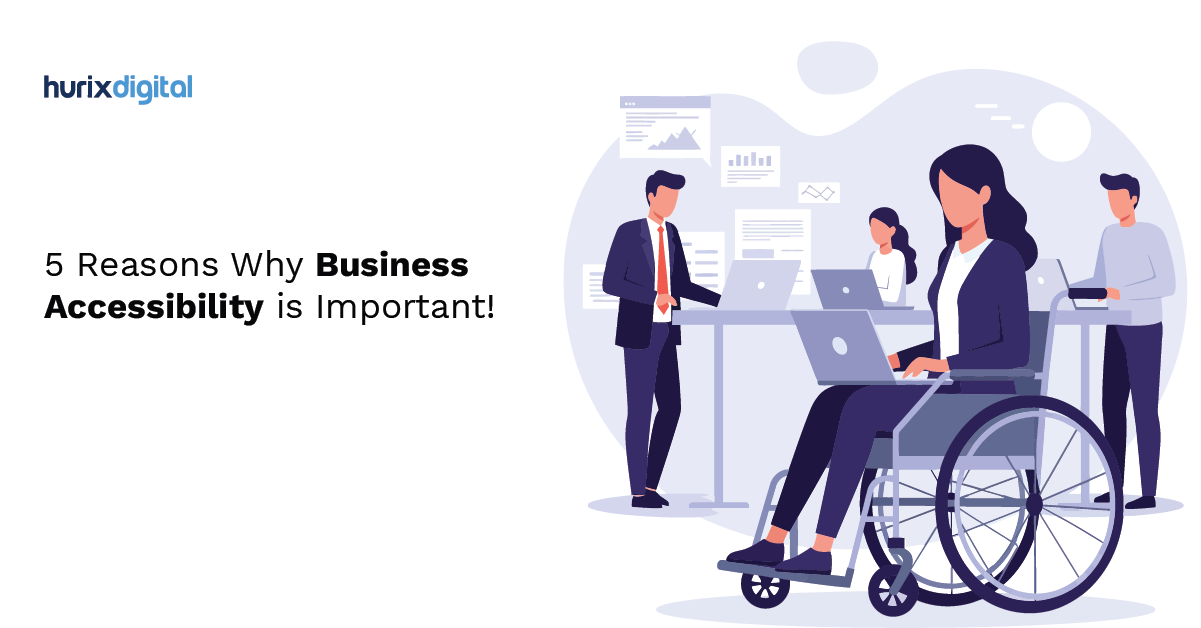
Accessibility refers to the intentional design of products, services, or information so they can be used effectively by people with disabilities. This includes individuals with visual, auditory, motor, or cognitive impairments, as well as the aging population who may face changing abilities.
In the context of finance, banking accessibility means removing barriers. It aims to ensure that everyone, regardless of their physical or cognitive abilities, can participate in the financial system on an equal basis. Whether it is a wheelchair ramp at a local branch or screen-reader compatibility on a mobile app, accessible banking promotes equity.
When businesses and public facilities are accessible, people with diverse abilities can fully participate in society. Financial institutions are the gatekeepers of economic participation, and when they prioritize accessibility, they open doors to financial independence for millions.
Top Reasons Why Banking Accessibility is Essential
It is widely accepted that providing access to bank accounts, loans, and financial assistance is a key driver of economic development. However, the reasons to prioritize banking accessibility go far beyond basic economics. Here is why it is essential for modern financial institutions:
1. Enhanced Customer Experience for All
Accessibility features often improve usability for everyone, not just those with disabilities. Clear navigation, voice commands, and high-contrast text make it easier for all customers to interact with financial platforms. When banking is convenient and intuitive, customers are more likely to engage with services frequently.
2. Increased Customer Loyalty and Trust
Customers who feel seen and supported are loyal. When a bank proactively addresses accessibility needs, it signals that it values every client. Improved accessibility leads to higher customer satisfaction scores, which directly translates to long-term loyalty and reduced churn.
3. Improved Customer Service Efficiency
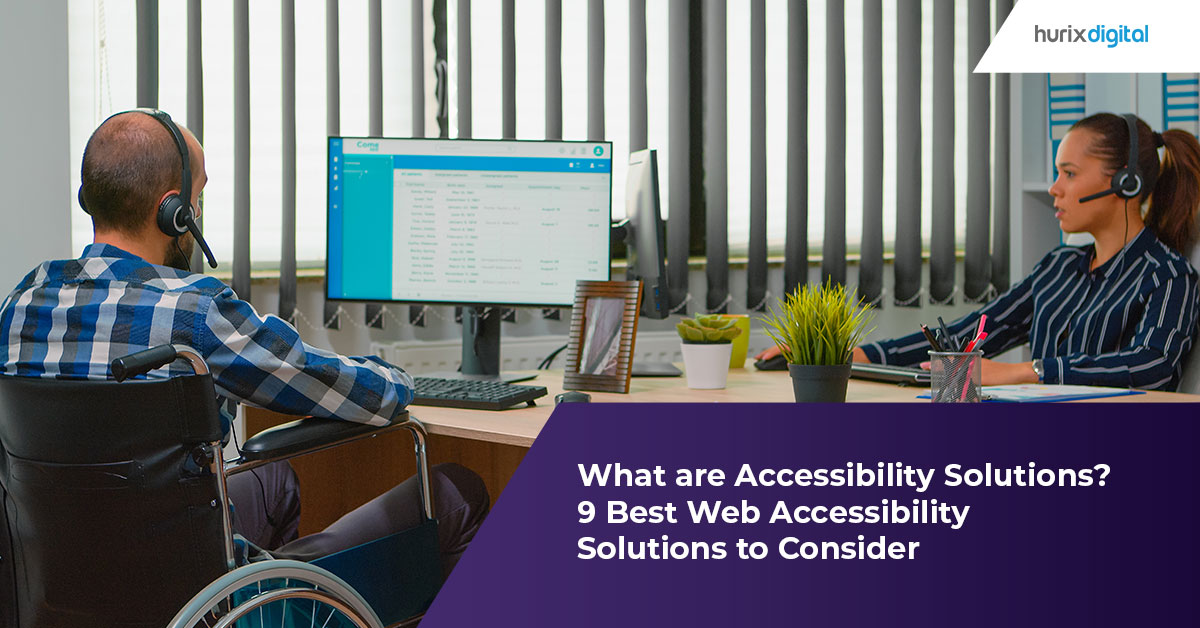
Accessible customer service channels—such as read-aloud features, video calls with sign language interpretation, and multi-channel support—reduce friction. When customers can easily resolve issues using their preferred method, satisfaction rises, and the strain on frontline staff decreases.
4. Revenue Growth and Market Expansion
The global market of people with disabilities represents trillions of dollars in disposable income. By ignoring accessibility, banks leave money on the table. Accessibility attracts new customers from this underserved segment and encourages existing customers to utilize more services, ultimately boosting revenue.
5. Improved Access to Credit
Digital accessibility tools can simplify the loan application process, making it easier for a wider demographic to access credit. This democratization of lending benefits financial institutions by diversifying their portfolio and increasing lending opportunities.
6. True Financial Inclusion
Accessibility is the vehicle for financial inclusion. It provides services to populations that have historically been excluded from the formal financial sector. By serving those who would otherwise struggle to manage their money, banks play a pivotal role in promoting broader economic growth and stability.
7. Regulatory Compliance and Risk Mitigation
Financial institutions must comply with strict legal frameworks, such as the Americans with Disabilities Act (ADA) and the European Accessibility Act. Non-compliance can lead to costly lawsuits and reputational damage. Adequate banking accessibility ensures that the institution remains compliant and avoids legal pitfalls.
How Financial Institutions Can Achieve Accessibility
Achieving true accessibility requires a holistic approach that combines technology, policy, and people. Here are seven strategic ways financial institutions can transform their operations:
1. Expand Accessible Technology
Banks must audit their tech stack. Offer products and services that are compatible with common assistive technologies like screen readers, voice recognition software, and braille displays. ATMs should be equipped with audio jacks and tactile keypads, while apps must support dynamic text resizing without breaking the layout.
2. Utilize Digital Technologies for Remote Access
Digital transformation is a powerful ally for accessibility. Mobile banking allows customers who cannot physically visit a branch to manage their accounts from home. Institutions should offer robust online payment systems and remote document signing. Crucially, these digital solutions must comply with Web Content Accessibility Guidelines (WCAG) to ensure they are perceivable, operable, understandable, and robust for all users.
3. Design for All (Universal Design)
Marketing and communication channels must be inclusive. Ensure that social media posts include alt text for images and that videos have accurate captions. Digital products should be designed with high contrast ratios for low-vision users. Adopting a “Universal Design” philosophy ensures that products work for the widest possible range of abilities from the start, rather than fixing them later.
4. Offer Reasonable Accommodations
Beyond digital tools, human assistance remains vital. Banks should offer reasonable accommodations, such as assisting customers with filling out forms, providing statements in braille or large print, and allowing extended appointment times for those who need them.
5. Update Policies and Processes
Review internal policies to ensure they do not unintentionally discriminate. For example, does your fraud detection system flag voice relay calls as suspicious? Update processes to recognize diverse communication methods. tailor products to meet the specific needs of different customer groups, ensuring flexibility in how services are delivered.
6. Collaborate with Advocates
Don’t guess what your users need. Ask them directly. Collaborate with disability advocates and community organizations to test your products and services. These partnerships provide invaluable insights and demonstrate a genuine commitment to engaging with the community in a meaningful way.
7. Train Employees: The Human Element of Accessibility
Technology alone cannot solve accessibility challenges. Your workforce is the face of your institution, and they need to be equipped to serve every customer with dignity and efficiency. This brings us to a critical, often overlooked aspect of accessibility: comprehensive workforce training.
The Role of Training in Banking Accessibility
Banking operations are complex, and the rapid digitalization of the sector has left many employees struggling to keep up. According to McKinsey research, reskilling and training employees is 20% more cost-effective than hiring new staff.
To achieve banking accessibility, training programs must go beyond basic compliance. They must empower staff to understand diverse needs and use the accessible tools provided. Here is how to integrate accessibility into your broader training strategy:
1. Strategic, Proactive Upskilling
Deploy training programs that align with specific roles. For instance, customer service representatives need training on how to interact respectfully with customers who have speech impediments or hearing loss. Bank tellers, conversely, might need training on the physical accessibility features of the branch.
Conduct a needs assessment to identify gaps. A proactive strategy ensures that training is not generic but targeted to solve actual pain points your customers and staff face.
2. Skill Matching and Reskilling
As physical branches close or evolve, staff roles change. Reskilling allows you to retain valuable employees by preparing them for new positions.
- Identify Existing Skills: A teller who manages high-volume transactions already has patience and attention to detail.
- Bridge the Gap: With targeted training on digital accessibility tools, that teller can become a “Digital Access Concierge,” helping customers navigate online banking platforms.
This approach significantly reduces training time and leverages the institutional knowledge your staff already possesses.
3. Invest in Learning Infrastructure
To support accessibility training, you need a robust learning infrastructure.
- Digital Resource Libraries: Create a centralized, accessible repository of knowledge. This should include guides on using assistive technology, protocols for serving vulnerable customers, and quick-reference sheets for ADA compliance.
- Tech-Enabled Learning: Use digital publishing tools to create training modules that are themselves accessible. If your training material isn’t accessible to an employee with a disability, you are failing at the very standard you are trying to teach.
4. Inculcate a Learning Culture
Accessibility is a mindset, not a checklist. Establish a culture where learning is continuous. Encourage employees to ask questions about inclusivity. Use immersive learning experiences like VR simulations to help staff understand the experience of navigating a bank with visual or motor impairments. This builds empathy, which is the foundation of excellent service.
5. Encourage Leadership
Every initiative needs a champion. Designate “Accessibility Leaders” within your teams. These individuals drive engagement, answer questions, and keep the momentum going. Leadership champions communicate the “why” behind the training, anchoring it in the organization’s values rather than presenting it as just another compliance requirement.
Conclusion
Accessibility is essential for financial institutions and organizations. Not only is it a legal obligation, but it is a powerful driver of customer satisfaction, brand reputation, and revenue. By taking the necessary steps toward accessibility—through technology, policy, and training—banks can secure their place in a more inclusive future.
Hurix Digital is a digital learning solutions company that specializes in providing web accessibility solutions for organizations. Hurix’s web accessibility solutions are designed to help organizations meet legal requirements, promote inclusivity, and enhance their digital presence.
Our team of accessibility experts uses the latest assistive technologies and techniques to ensure that client websites and digital content are fully accessible to all users, including those with disabilities. Furthermore, with easy digital publishing solutions, we can help you mass-distribute feedback training to your enterprise, ensuring your workforce is ready for the challenges of tomorrow.
Contact us to learn more about how we can help you build a more accessible financial institution.
Summarize with:

Vice President – Content Transformation at HurixDigital, based in Chennai. With nearly 20 years in digital content, he leads large-scale transformation and accessibility initiatives. A frequent presenter (e.g., London Book Fair 2025), Gokulnath drives AI-powered publishing solutions and inclusive content strategies for global clients