 A Space for Thoughtful
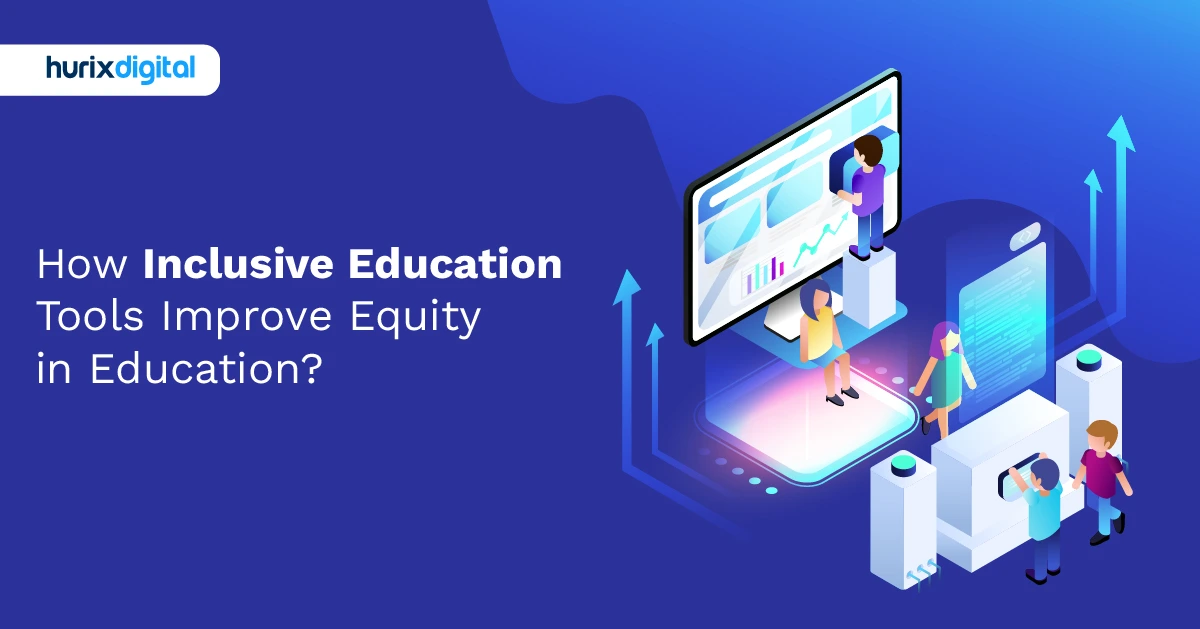
How Inclusive Education Tools Improve Equity in Education?
Summarize with:
The goal of online learning materials is to give every student an engaging and dynamic educational experience. Students remain interested when multimedia components like pictures, illustrations, films, and audio are included.
Traditional learning methods fall short of meeting the breakneck pace of today’s competitive climate. The widespread access to information afforded by the internet has allowed us to implement new forms of learning, facilitated by visual and auditory elements, for a deeper understanding of the subject matter.
This blog explores the various inclusive education learning methods and technologies that emphasize the requirement of accessibility in education, with a special focus on tools like alt text, captions, audio descriptions, and the transformative power of Text-to-Speech (TTS) technology.
Table of Contents:
- What is Alt Text?
- Legal Framework Surrounding Alt Text in Higher Education
- Best Practices for Writing Alt Text in Higher Education
- How Text-to-Speech Empowers Diverse Learners – An Overview
- The Advantages of Text-to-Speech in the Classroom
- The Evolution of AI-Powered Text-to-Speech
- The Importance of Accessibility in Educational Videos
- Captions for Inclusive Learning
- Audio Descriptions for Visual Content
- The Role of Educational Technology in Promoting Accessibility
- Implementing the Best Practices for Accessibility
- The Impact of Accessible Educational Videos
- The Bottom Line
What is Alt Text?
Alt text is a brief explanation of a digital picture. Its primary goal is to make the picture accessible to those with visual impairments, especially those who are blind or have a medium to severe impairment in their vision.
Together, these two demographics make up around 2.2 billion people globally, with many of them depending on assistive technologies and screen readers to view online media and material. Alt text is crucial as in its absence, a screen reader will skip over an image, leaving a gap in understanding for the user.
Legal Framework Surrounding Alt Text in Higher Education
The legal framework surrounding alt text in higher education is shaped by various laws that aim to promote inclusivity and ensure equal access to digital content.
Some of the most significant accessibility compliance guidelines for higher educational institutions are as follows:
1. Web Content Accessibility Guidelines (WCAG)
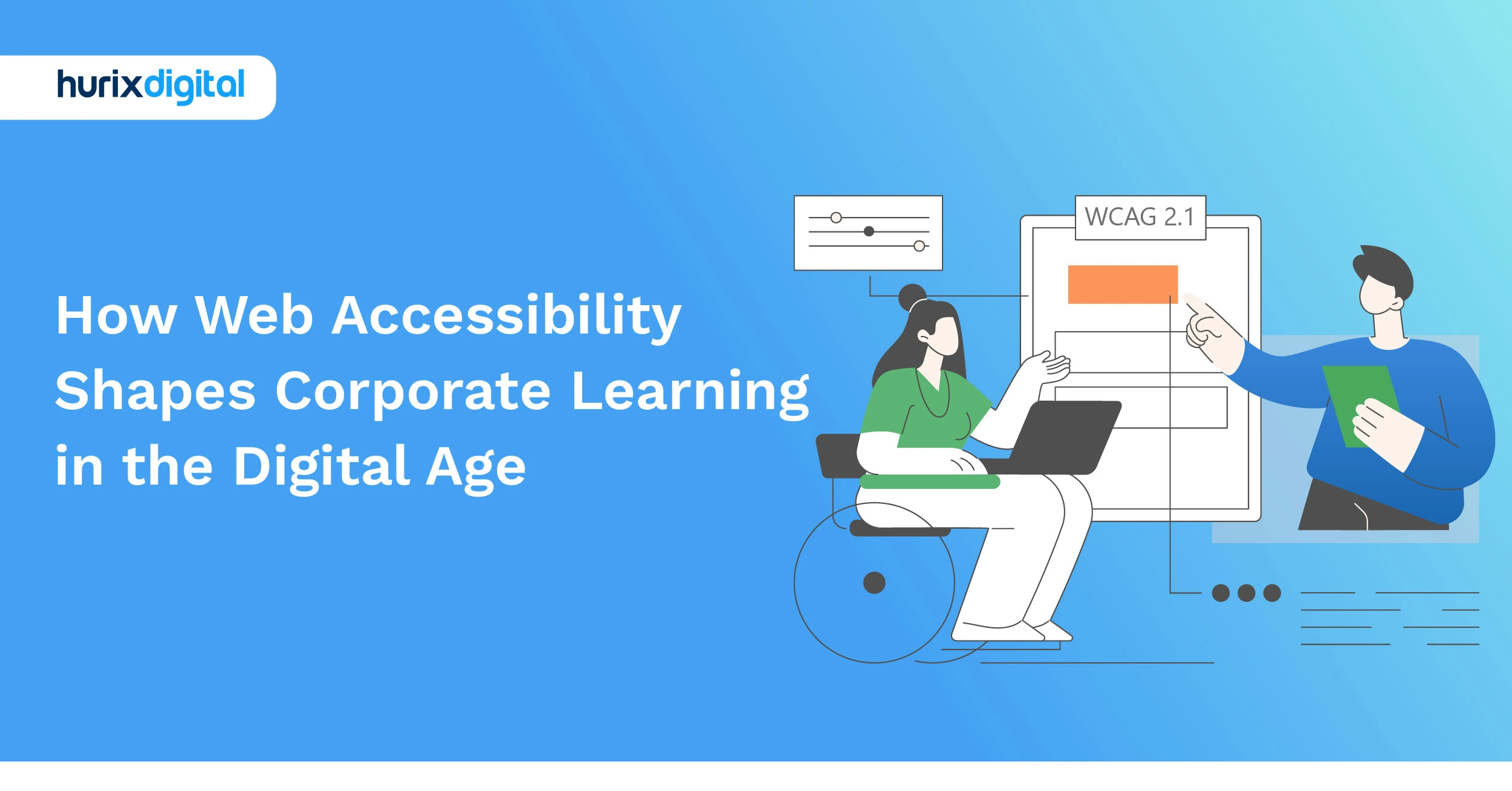
The W3C developed the generally recognized Web Content Accessibility Guidelines, or WCAG, to facilitate website access. WCAG is a widely accepted standard for accessibility, even though it is not the law. Many institutions refer to WCAG when creating their accessibility procedures and policies.
WCAG 2.1 has pretty specific guidelines regarding the topic at hand—alt text, for example: Guideline 1.1.1 says any non-text content must be provided with equivalents; instructional materials, too, must provide a meaningful alt for images to enable users who are visually challenged to understand them.
2. The Rehabilitation Act of 1973, Section 504
Section 504 of the Rehabilitation Act prohibits discrimination against disabled persons in programs or activities receiving Federal financial assistance. This would include institutions of higher education that receive Federal funds. Under Section 504, universities are required to provide equal access to education by making reasonable accommodations for students with disabilities.
Alt text is seen as a reasonable accommodation since it allows visually impaired students to access visual content in course materials. Institutions that fail to provide alt text in violation of Section 504 may be subject to legal action.
3. The ADA, or Americans with Disabilities Act
The historic 1990 ADA compliance statute forbids discrimination against people with disabilities in various settings, including schools. In fact, Title II of the ADA expressly requires public universities to guarantee that their programs are equally accessible.
Even though the legislation does not specifically address alt text, courts have interpreted the ADA to compel institutions to ensure their digital resources are accessible. Thus, access means that the Department of Justice, DOJ, encourages the provision of accommodations—in this case, alt text for images—so that pupils with cognitive disabilities can fully participate in what is being done in learning.
Best Practices for Writing Alt Text in Higher Education
Craft clear and concise alt text by implementing the following best practices into your educational content curation process.
1. Avoid Beginning with “Image of”
Although it could appear to be a useful indication, keep in mind that your alt text should not contain terms like “image of.” These words will simply detract from the user experience and consume important characters that might be utilized to explain the picture, since screen readers will recognize the alt text as a picture from the HTML markup.
Bonus tip: It’s usually ideal to avoid using broader phrases, such as image or picture, but in some situations, it could be important to specify if an item is art, a photograph, or an animation. This recommendation is preferable, especially when crafting alt text for higher education students.
2. Be Detailed
Screen reader users can disregard what you type, but they are unable to disregard what is absent. Because of this, it’s crucial to be as detailed as possible while simultaneously considering the image’s background closely. For instance, an image of a lab experiment should describe the setup and purpose, enabling visually impaired students to understand the content and engage fully with the material.
3. Start with the Most Vital Details
Alt text follows the same guidelines as headlines and literary works: Keep your hook firm and avoid burying the lead. Make an effort to start an alt text with the most crucial details so that readers aren’t left unsure.
Let’s consider a few alt-text examples:
Take a picture of a historical event, like a civil rights march, for instance. The opening line of the alt text, “Civil rights march in Washington, D.C., 1963,” should clarify the occasion’s importance. This method allows visually challenged pupils to understand the context more easily and interact with the related material.
When writing alt text for a higher education textbook, remember to highlight the key theme in scientific illustrations. For example, “Illustration of the scientific method, depicting the steps.”
Read Success Story: Hurix Digital Generates Alt-Text for 18,000 French eBooks for a Leading European Academic Publisher
How Text-to-Speech Empowers Diverse Learners – An Overview
At its core, personalization entails determining unique learning preferences, areas of strength, and weaknesses to improve student engagement and comprehension. Text-to-speech (TTS) acts as an assistive technology, serving as a strong connection that provides a distinct solution for both areas.
TTS converts text to speech, dismantling obstacles for students with learning disabilities or vision impairments. It empowers them to access and process information independently, facilitating inclusive education. However, the benefits extend beyond overcoming challenges. With TTS, learners of all skill levels can interact with the material using a variety of senses, which helps with understanding and memory retention.
Imagine a learner following along visually while listening to a textbook excerpt—an effective way to strengthen reading comprehension and critical thinking skills. With the increasing need for customized educational opportunities, TTS technology is establishing itself as a vital component of contemporary classroom technology. By utilizing voice, teachers may create a vibrant, welcoming environment where each student can excel.
The Advantages of Text-to-Speech in the Classroom
Having established the importance of inclusive education, let us shift gears and discuss how TTS enhances the learning process for all students.
1. Leveling the Playing Field
Text-to-speech technology is an equalizing force in education, guaranteeing every student an equitable opportunity for academic achievement. TTS helps students with different learning needs by converting written text into spoken word, ensuring all learners have equal access to educational resources for academic success, regardless of their background or abilities.
Deciphering text is a common challenge for individuals struggling with dyslexia or reading difficulties. By extending the information in an auditory manner, TTS removes the barrier between academic success and reading challenges for kids with special education needs. This allows pupils to concentrate on understanding rather than reading mechanics. This creates a more inclusive learning environment by giving people the autonomy to access and analyze instructional resources. TTS caters to auditory learners by offering an alternative, engaging way to absorb information.
2. Boosting Reading Comprehension
Text-to-speech (TTS) technology can reinforce reading comprehension for students of all abilities.
- Dual Sensory Reinforcement: Students engage two senses simultaneously when they listen to spoken content while following along visually. This multi-sensory learning method enhances learning results and memory recall by strengthening understanding of the material. As individuals hear complex ideas, words, and sentence structures articulated aloud, they become more understandable. Students can improve their reading abilities by understanding the subtleties of phrasing and intonation.
- Prioritize Meaning Over Mechanics: Having trouble understanding words or using new vocabulary might make reading less enjoyable. TTS allows students to bypass these hurdles. Focusing on the spoken text, they can concentrate on the deeper meaning and context of the material.
- Enhanced Reading Fluency: Exposure to proper pronunciation, intonation, and phrasing through TTS can significantly improve reading fluency. Students can emulate what they hear, leading to smoother reading and a more confident approach to written materials.
3. Personalization and Pacing
Text-to-speech educational technology shines in its ability to personalize the learning experience. Unlike traditional static text, TTS empowers students to take control of their education by tailoring it to their individual needs and preferences.
This customization comes in many forms:
- Flexible Pacing: Learners are allowed to modify the reading pace to correspond with their comprehension proficiency. It accommodates their preferred pace of learning, whether it is a faster speed to quickly scan through well-known content or a slower, more careful pace to assimilate complicated topics.
- Voice Selection: The days of boring, robotic voices are long gone. With the range of AI voices and accents that modern TTS provides, students can select a narrator who speaks to them. This has the potential to enhance the learning process’s enjoyment and engagement.
- Tailored Pronunciation: This instructional technology lets students change settings to their pronunciation preferences, ensuring they grasp the material as best they can. This adaptability supports a range of learning styles and gives students the freedom to learn whichever best suits them.
4. Language Development
Text-to-speech (TTS) technology is a powerful tool for honing language skills, particularly for students learning a new language or those needing to master complex terminology.
- Pronunciation: Perfect practice makes perfect. TTS allows students to listen to native speakers, mimic their pronunciation, and master challenging phonetics. This consistent exposure enhances their overall linguistic fluency and confidence.
- A Virtual Language Coach: TTS acts as a virtual language learning companion, readily available to provide continuous feedback on pronunciation. Students can identify areas for improvement and refine their skills independently.
- Exploring New Languages: Many TTS tools offer multilingual capabilities. This allows students to access content in their native language for better comprehension or to pursue new language learning goals. Listening to spoken foreign languages allows students to acquire valuable exposure to pronunciation, sentence structure, and vocabulary, enabling a firm foundation for further language learning.
5. Integration in the Modern Classroom
The power of text-to-speech extends beyond its core functionality. Its seamless integration with various classroom technologies, tools, and platforms for a dynamic digital learning ecosystem is a hallmark of its effectiveness.
- Learning Management Systems (LMS): Students can access course materials, assignments, and even feedback read aloud directly through their LMS, enhancing accessibility and personalized learning experiences.
- Educational Apps: TTS integration within educational apps allows students to learn on the go. They can have interactive lessons, practice exercises, or even digital textbooks narrated, maximizing learning opportunities beyond the classroom walls.
- Document Editing Software: The ability to convert written work into spoken form within document editing software empowers students to self-edit and improve their writing skills. They can catch grammatical errors or awkward phrasing by hearing their work read aloud.
6. Combating Eye Strain
Students today are bombarded with text-heavy materials. Eye strain and weariness from scouring textbooks and scrolling through displays can interfere with learning and focus. Herein lies the refreshing answer provided by text-to-speech technology:
- A Break for the Eyes: TTS allows students to switch from visual engagement to auditory learning. By listening to content aloud, they can give their eyes a well-deserved break, reducing fatigue and improving overall concentration. It is especially beneficial for students who spend long hours glued to screens or those prone to eye strain.
- Learning on the Go: TTS’s time-saving potential is undeniable. Students can utilize commutes, exercise routines, or even chores as valuable learning opportunities by listening to educational content. This multitasking approach maximizes learning opportunities and allows for a more flexible learning schedule.
- Efficient Review and Retention: This educational technology can be a powerful tool for creating audio summaries or study guides. Students can revisit concepts and reinforce their understanding conveniently and efficiently, leading to better retention of the material.
The Evolution of AI-Powered Text-to-Speech
Modern AI text-to-speech sounds so human that it’s getting hard to tell the difference from a real person. This leap in quality is revolutionizing how we think about auditory learning. However, sounding human and being an effective educational tool requires navigating some complex challenges.
How Accurate is AI TTS Across Diverse Accents and Languages?
Human speech is incredibly nuanced, filled with different accents, dialects, and emotional tones. Early TTS systems sounded robotic because they lacked this subtlety. They were good at pronouncing words but failed to convey meaning.
Now, AI is changing the game. Models trained on massive datasets of spoken language can pick up on subtle phonetic variations. The results are often excellent for commonly spoken languages like English, Spanish, or Mandarin, even across regional accents. While a keen ear might still detect the AI origin, it’s a far cry from the synthesized voices of the past.
The challenge arises with less common languages or localized dialects. AI needs enough data to learn specific speech patterns. If the dataset is small or biased, the resulting TTS will likely sound unnatural. It’s not just about pronunciation; it’s about capturing the rhythm and intonation of a language. AI is improving, but it still struggles to convey sarcasm, humor, or other subtle emotional cues that are vital for engaging storytelling in an education context.
Can AI TTS Handle Complex Emotional Nuances?
An AI TTS system that lacks emotion is bland, but one with too much can sound unnatural. Most systems can replicate basic emotions like happiness or anger, but real human expression lies in the subtle spaces—the slight disappointment in a sigh or the hope in a question. This is where AI still struggles.
Context awareness is what separates good from great emotional TTS. The phrase “I understand” requires a different emotional delivery depending on whether it’s an expression of condolences or a simple acknowledgment. The uncanny valley is a real phenomenon with emotional AI voices; an almost human voice can be more unsettling than one that is obviously synthetic. Humans convey emotion through tiny hesitations, breath patterns, and pitch wobbles. Current AI captures the macro emotions but often misses these crucial micro-nuances.
The Importance of Accessibility in Educational Videos
Inculcating accessibility in educational videos allows educators to widen access to learning materials while simultaneously complying with any regulations regarding the spread of inclusive learning.
This inclusivity is essential, allowing diversity in learning needs and abilities to be recognized and respected. Captions and audio descriptions break down barriers and make educational content accessible to students with hearing or visual impairments.
Captions for Inclusive Learning
Captions are written transcriptions of spoken words and other important sounds in videos. They are an invaluable resource for inclusive learning, especially for those with hearing difficulties. Beyond that, captions help non-native speakers and students with learning disabilities understand the material more effectively.
They provide the following benefits:
1. Improved Comprehension and Retention
Captions in educational content are beneficial for everyone. All students can use captions to keep up with video content, take better notes, and improve their reading comprehension and retention. According to a report from the University of Florida, St. Petersburg, 42% of students use captions to improve their focus on learning material.
2. Support for Non-Native Speakers
In an increasingly globalized world, it is common to have classrooms filled with learners from diverse backgrounds. For non-native speakers, captions are a handy tool for catching up on information that might otherwise be confusing.
3. Flexibility and Convenience
As a facet of educational technology, captions allow students to engage with their learning material irrespective of their surrounding environment. Students in noisy environments can use captions to keep learning without being interrupted. This makes educational videos more adaptive to student needs.
Audio Descriptions for Visual Content
Audio descriptions provide spoken explanations of the visual components of videos. Students with low or poor eyesight especially benefit from this. Audio descriptions broaden access to visual material by describing actions, situations, and important visual clues, promoting a more inclusive educational experience.
They provide the following benefits:
1. Improved Storytelling
More than simply summarizing images, audio descriptions improve storytelling by giving visually challenged learners background information they might otherwise miss. This type of assistive technology helps every student follow the material and understand both spoken and demonstrated content. In creative storytelling or scenario-based learning, this is crucial. While AI TTS can speak words, it struggles to breathe life into narratives by understanding the dramatic arc, building tension, or differentiating between characters. For this reason, human-narrated audio descriptions are often superior for emotionally complex scenarios.
2. Detailed Descriptions for Better Understanding
Thorough descriptions can help every student learn more. Audio descriptions, for example, can provide further detail on the setup, reactions, and outcomes of an experiment in a science video. This attention to detail enhances the overall educational experience and accommodates many learning styles.
3. Integration with Other Assistive Technologies
Screen readers and braille displays are two additional examples of assistive technology that can easily integrate with audio descriptions. With so many ways for students to access and interact with instructional material, this integration ensures a more holistic approach to disability support.
The Role of Educational Technology in Promoting Accessibility
Educational technology is largely responsible for creating and distributing accessible educational videos. Thanks to technological developments, creating excellent captions and audio explanations is now easier and more integrated into the content creation process.
1. Automated Tools for Captioning
Modern educational technology uses artificial intelligence in advanced automatic captioning technologies to produce captions quickly and precisely. These tools have greatly shortened the time and effort needed to create captions, making multimedia accessibility more achievable for educators, even if human supervision is still essential to guarantee accuracy.
2. Software for Audio Description
Audio description software allows for the quick production of audio explanations, ensuring that all students have access to visual material. Teachers may utilize these tools to ensure that their videos follow guidelines for inclusive education.
3. Customizable and Interactive Features
Educational videos can also include interactive elements that support inclusive learning. Students can, for example, change the background, text size, and color of the captions to ensure that they can read them however they like. Interactive transcripts, which highlight text as it is spoken, can also assist individuals with learning disabilities by offering a multimodal approach to information processing.
Implementing the Best Practices for Accessibility
Using best practices in the production and distribution of educational videos is essential to ensure they are truly accessible. This requires a holistic approach that goes beyond simply adding features.
1. Inclusive Design from the Outset
Video production should start with accessibility in mind. This entails creating audio descriptions and captions ahead of time rather than as a last-minute addition. Using an inclusive design approach ensures that all students can access the content that teachers provide.
2. Regular Reviews and Feedback
Audits of educational videos can regularly point out areas that need accessibility enhancement. Additionally, getting input from students who rely on these accessibility features is important. Their opinions can help guide changes and ensure that the resources meet their needs.
3. Information and Training
Educators and content producers must recognize the value of multimedia accessibility and receive training on how to best apply these elements. Through online courses, webinars, and other inclusive education materials, teachers can acquire the necessary information and skills to create easily understood material for all learners, including content for eLearning modules or sales training.
The Impact of Accessible Educational Videos
The accessibility of educational videos has an effect that goes beyond individual students. It encourages an inclusive and diverse culture in educational institutions. Institutions convey a powerful message that every student’s learning requirements are respected and supported by giving accessibility to educational videos first priority.
1. Promoting Equal Opportunity
When educational videos are easily accessible, all pupils have equal chances to achieve. Institutions can enable every student to realize their greatest potential by eliminating obstacles to learning. A just and equitable educational setting depends on this dedication to inclusive learning.
2. Developing a More Inclusive Environment
Education is the primary factor in shaping society’s attitudes. An inclusive society is one that educational institutions help to create by giving inclusive education a top priority. Inclusion in the classroom increases students’ likelihood of bringing these principles into their personal and professional lives.
3. Improving Learning
Students with disabilities are not the only ones who benefit from accessibility features in educational videos. Captions, for example, may benefit all students in terms of reading and comprehension. Audio descriptions can achieve a richer comprehension of the material, thereby improving the learning process in general.
The Bottom Line
Inclusive education and technology are more than just passive tools. By involving various senses and encouraging a deeper comprehension of the material, they enable students to become better and more excited learners. From alt text for images to captions and AI-powered text-to-speech for written content, these tools are dismantling barriers and creating more equitable learning environments.
Here at Hurix Digital, we passionately support using technology to close the achievement gap. Our devotion to an egalitarian and inclusive learning environment perfectly reflects this. Using the newest assistive technologies, we create and construct state-of-the-art accessible tools that enable students of all skill levels.
To empower a better future for everyone, get in touch with us right now.
Summarize with:

Vice President – Content Transformation at HurixDigital, based in Chennai. With nearly 20 years in digital content, he leads large-scale transformation and accessibility initiatives. A frequent presenter (e.g., London Book Fair 2025), Gokulnath drives AI-powered publishing solutions and inclusive content strategies for global clients