 A Space for Thoughtful

What are E-commerce Solutions? Benefits, Types, Best Practices and More
Summarize with:
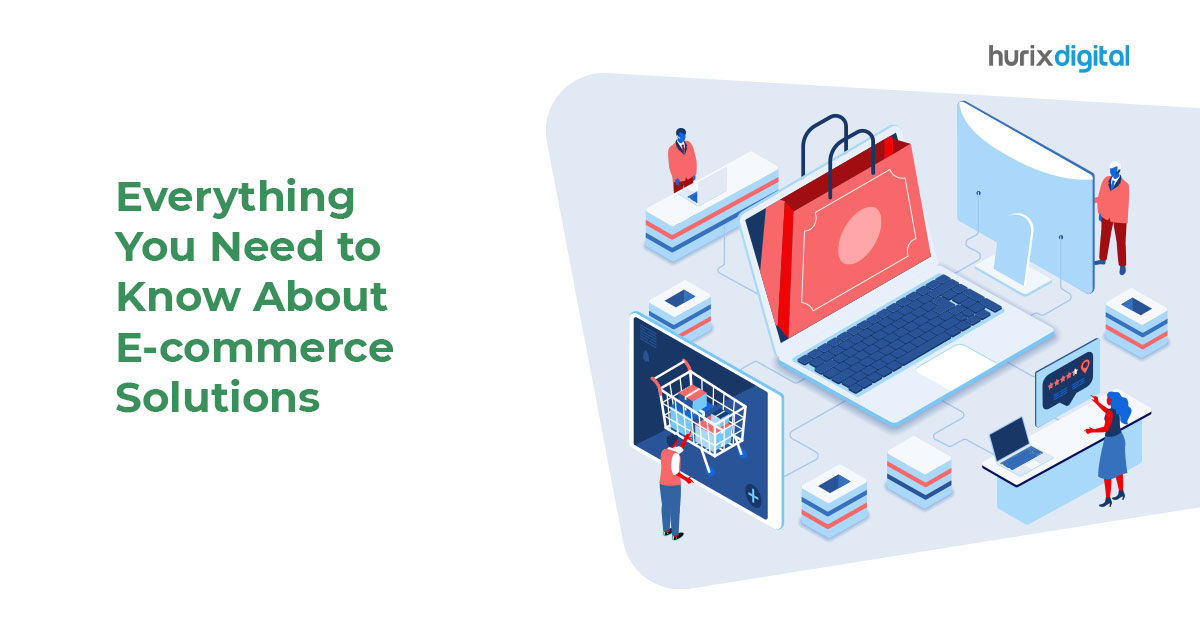
E-commerce solutions are increasingly important for businesses to grow and thrive in the digital age. With the gradual growth of online shopping, companies must have a proven e-commerce strategy to reach and acquire customers and sell products.
This article will cover everything you need to know about e-commerce solutions and how they can benefit your business.
Table of Contents:
- What are E-commerce Solutions?
- What are the Benefits of E-commerce Solutions?
- What are the Types of E-commerce Solutions?
- Funding the Best E-commerce Solution for Your Business
- What are the Five Best Practices for Implementing E-commerce Solutions?
- E‑commerce Trends in 2026 and Beyond
- Conclusion
- Frequently Asked Questions (FAQs)
What are E-commerce Solutions?
E‑commerce solutions are a suite of digital tools and technologies that enable businesses to sell products and services online. These typically include: e‑commerce platforms (Shopify, Magento), shopping cart systems, payment gateways (Stripe, PayPal), inventory management, order and fulfillment systems, marketing automation, CRM, analytics dashboards, and logistics integrations.
For example, Shopify provides a complete hosted platform with storefront, payments, and marketing tools, while WooCommerce offers a flexible plugin ecosystem for WordPress sites.
These solutions also often offer marketing and customer relationship management (CRM) capabilities, enabling businesses to promote their products and manage customer interactions effectively.
The purpose is to streamline the online sales process and make selling products and services to customers through the Internet easier.
What are the Benefits of E-commerce Solutions?
It offer several benefits for businesses selling products and services online.
- Increased Reach: They allow businesses to reach a global audience, expanding their customer base beyond geographical limitations.
- Convenient Shopping Experience: They provide customers with a seamless shopping experience, allowing them to shop from anywhere at any time.
- Improved Sales and Revenue: They make it easier for businesses to sell products and services, leading to increased sales and revenue.
- Cost-Effective: They can help businesses reduce costs by eliminating the need for physical storefronts and associated overhead costs.
- Better Customer Insights: They offer businesses access to valuable customer data and insights, allowing them to better understand customer behavior and preferences.
- Increased Product Visibility: They make it easy for businesses to display or showcase their products to a large audience, increasing their visibility and attracting new customers.
- Streamlined Operations: They automate many manual tasks of running an online store, freeing up time and resources for business owners to focus on growth and innovation.
They offer a comprehensive suite of tools and capabilities designed to help businesses succeed in the digital age.
According to industry data, mobile commerce now accounts for over 56% of online transactions during peak seasons, showing how customer behavior is shifting toward mobile shopping.
Also Read: How Customer Service Training Can Lead to Increased Customer Satisfaction?
What are the Types of E-commerce Solutions?
Several digital commerce solutions are available, each designed to meet the specific needs of different types of businesses.
1. B2B (Business-to-Business) E-commerce Solutions
Objectives: These solutions are designed specifically for businesses that sell products and services to other businesses.
Features:
B2B ecommerce solutions offer features like:
- Tiered pricing, bulk discounts, and negotiated rates according to the preferences of different business clients.
- Robust order processing capabilities, including order tracking, reordering, and bulk order management.
- Management of multiple user accounts within a single organization.
- Integration with ERP systems, supply chain management systems, and CRM systems.
- Flexible payment terms.
For example, Alibaba is a global B2b e-commerce solution that connects businesses and suppliers.
2. B2C (Business-to-Consumer) E-commerce Solutions
Objectives: These solutions are designed for businesses that sell products and services directly to consumers. These platforms revolve around retail operations and aim to deliver an exceptional shopping experience to shoppers.
Features:
B2C e-commerce solutions offer features such as:
- Intuitive and attractive website design with search functionality.
- Tools for managing product listings, categories, descriptions, images, and inventory.
- A smooth shopping cart and checkout process with various payment options.
- Built-in support, marketing, and promotional tools for SEO advertising and social media integrations.
- Customer support features like FAQs, chatbots, and customer reviews.
For example, Amazon, the largest B2C eCommerce platform, offers an array of products to consumers.
3. Marketplace E-commerce Solutions
Objectives: These solutions allow businesses to sell their products and services on a centralized platform like Amazon or Etsy. They connect third-party sellers and buyers, giving consumers the benefit of choosing from a variety of options.
Features:
Marketplace ecommerce solutions handle all aspects of the sales process, from payment processing to order fulfillment.
Here are some key features:
- These solutions manage multiple sellers, including onboarding, product listings, and performance metrics.
- These systems handle commission rates and payments between the marketplace operator and sellers.
- They are well-equipped with advanced search and filtering options to help consumers find products from various sellers.
- These platforms have secure payment systems to protect buyers and sellers during transactions.
- They allow customers to leave feedback and rate sellers and products.
For example, check out how Airbnb has launched its marketplace solution for exceptional tourism and lodging experiences to connect hosts with travelers.
4. Mobile E-commerce Solutions
Objectives: Today, approximately 187.5 million users are predicted to be active mobile shoppers in 2024. These solutions are designed for businesses that want to sell products and services to customers through mobile devices.
Features:
Mobile ecommerce solutions offer features such as a mobile-responsive design and touch-friendly navigation.
Other features include:
- A responsive design that ensures a seamless user experience on various screen sizes.
- Support for various kinds of mobile payment options.
- Features to send notifications about promotions and offers.
- Native mobile apps offer an optimized shopping experience.
- Features using GPS and other location-based technologies.
For example, the Shopify app works efficiently on Android and iOS devices, including iPhones, iPads, Apple WatchOS 6.0, and iPod Touch!
The type of e-commerce solution provider a business chooses will depend on several factors, including its target audience, the types of products and services it sells, and its overall business goals.
5. D2C (Direct‑to‑Consumer) E‑commerce Solutions
Objective: Enable brands to sell products directly to consumers, bypassing traditional intermediaries (distributors or retailers). Build stronger relationships with customers through direct communication and personalized experiences. Maximize profit margins by cutting out middlemen and reducing dependency on third-party sellers.
Features:
- Brand-Controlled Online Store: Complete control over pricing, design, and promotions.
- Customer Data Insights: Collect first-party data for targeted marketing and loyalty programs.
- Marketing Automation: Email campaigns, social media integrations, and personalized product recommendations.
- Flexible Fulfillment Options: Integrated inventory management, shipping, and returns processing.
Example: Warby Parker: Sells eyewear directly to customers via its online store, offering virtual try-on and home delivery, while bypassing traditional optical retailers.
Glossier: Beauty brand leveraging direct sales to build a strong community and personalized customer experiences.
6. Omnichannel E‑commerce Solutions
Objective: Deliver a seamless and consistent shopping experience across all channels — online and offline. Integrate multiple touchpoints (physical stores, websites, mobile apps, social media) into a unified ecosystem. Enhance customer satisfaction, engagement, and loyalty by providing convenience and continuity.
Key Features:
- Unified Inventory & Order Management: Real-time visibility across all sales channels.
- Cross-Channel Marketing & Promotions: Campaigns and offers synchronized across web, app, email, and physical stores.
- Consistent Customer Experience: Personalized recommendations, loyalty points, and customer service integrated across channels.
- Analytics & Insights: Holistic view of customer behavior across channels to optimize strategies.
Example: Nike: Offers online store, mobile app, and physical retail integration, including “Click & Collect,” in-store returns for online purchases, and personalized app notifications. Starbucks: Integrates mobile ordering, loyalty program, and in-store experience for a unified customer journey.
Funding the Best E-commerce Solution for Your Business
Below are some factors to consider while selecting an e-commerce solution.
- Business Needs: Consider your business’s specific needs, such as payment processing, shipping and handling, and customer management. Make sure the e-commerce solution you choose supports these requirements.
- Budget: Plan and fix a budget for the solution. Some solutions may charge a monthly fee, while others may charge a percentage of sales.
- User Experience: Consider the user experience for your customers and your team. Make sure the e-commerce solution you choose is easy to use and offers a seamless shopping experience for your customers.
- Scalability: Choose an e-commerce solution that can scale with your business as it grows. Consider the solution’s ability to handle increased traffic and add new features and functionality as required.
- Integrations: Consider the integrations you need, such as accounting software, shipping carriers, and marketing platforms. Ensure the e-commerce solution you choose integrates with the tools you need to run your business efficiently.
- Security: Ensure that your e-commerce solution meets industry security standards, such as PCI compliance. Protecting your customers’ sensitive information and your business’s reputation is important.
- Customer Support: Choose an e-commerce solution that offers reliable customer support, such as 24/7 phone and email support and a robust knowledge base. Don’t underestimate customer support quality — responsive support teams can prevent downtime and costly errors.
By carefully considering these factors and assessing the available options, you can choose ecommerce solutions that align with your business’s unique requirements and assist you in achieving your objectives.
What are the Five Best Practices for Implementing E-commerce Solutions?
Below are some best practices for successfully implementing an e-commerce solution.
- Plan Ahead: Establish clear objectives such as conversion rate, average order value, and retention. Plan your e-commerce solution implementation, including the budget, timeline, and resources required. Determine the goals you want to achieve and the metrics you’ll use to measure success.
- Choose the Right Solution: Prefer solutions that grow with traffic spikes and additional products. Select an e-commerce solution that fits your business needs and budget and aligns with your goals. Ensure it has the features you need and integrates with your existing systems and tools.
- Engage Stakeholders: Set up HTTPS, PCI compliance, MFA, and data backup strategies. Involve stakeholders, including your team, customers, and partners, in the implementation process. Keep them informed of changes and seek their feedback to ensure that the solution meets their needs.
- Test and Validate: Focus on responsive design, fast load times, clear navigation, and easy checkout. Test the e-commerce solution thoroughly before launching to ensure it meets your requirements and provides a seamless customer experience. Validate the solution’s security and performance.
- Launch and Monitor: Conduct A/B tests on product pages, cart flows, and promotions before launch. Launch the e-commerce solution and monitor its performance. Track the metrics you identified in your planning process, and make adjustments as needed.
Implementing the right solution can help your business increase sales, improve the customer experience, and streamline operations. By understanding the benefits, types, and best practices of e-commerce solutions, companies can make informed decisions when choosing one to boost sales.
Also Read: 6 Effective E-commerce Solutions to Boost Sales
E‑commerce Trends in 2026 and Beyond
The e‑commerce landscape is evolving faster than ever, driven by technological innovations, shifting consumer behavior, and the rise of mobile and AI‑powered shopping experiences. Businesses that adapt to these trends can stay competitive, enhance customer engagement, and unlock new revenue opportunities. Here are the key trends shaping the future of online retail.
AI‑Powered Personalization: AI can tailor product recommendations and pricing in real time to increase conversions.
Mobile‑First Commerce: More shoppers now use smartphones for browsing and purchases, so mobile optimization is critical.
Omnichannel Strategies: Integrating offline and online experiences boosts customer loyalty and consistency.
Voice & Conversational Shopping: Consumers increasingly use voice assistants and chatbots for search and checkout.
Did You Know? AI‑driven search traffic to retail sites increased nearly 700% year‑over‑year.
Conclusion
E-commerce solutions are a crucial component of any successful online business strategy. With the right solution, businesses can streamline their sales process, reach a wider audience, and improve the customer experience.
Looking to improve your e-commerce strategy and reach new customers? Discover the best e-commerce solution for your business, leveraging technology solutions in e-commerce for optimal growth.
Contact Hurix Digital to learn more about our e-commerce solutions and how they can help your business grow.
Frequently Asked Questions (FAQs)
Q1. What factors should I consider when selecting an E-commerce Solution for my business?
When choosing an e-commerce solution, consider factors such as your business needs, budget, user experience, scalability, required integrations, security, and the availability of reliable customer support.
Q2. What are the key considerations for budgeting an e-commerce solution?
When budgeting for an e-commerce solution, consider whether it entails a monthly fee or a percentage of sales. To create a comprehensive budget, investigate other costs, such as integration and ongoing support.
Q3. How important is security in choosing an e-commerce solution?
Security is paramount when selecting an e-commerce solution. Ensure that it complies with industry standards like PCI compliance to protect both customer data and your business’s reputation.
Q4. What are the advantages of using mobile e-commerce solutions?
Mobile e-commerce solutions are tailored for selling via mobile devices, offering features like mobile-responsive design and touch-friendly navigation, making it easier for businesses to tap into the mobile market.
Q5. Why is it essential to engage stakeholders when implementing e-commerce solutions?
Engaging stakeholders such as your team, customers, and partners is crucial for successful implementation. Their feedback ensures the solution meets their needs and aligns with your business goals.
Summarize with:

Vice President & SBU Head –
Delivery at Hurix Technology, based in Mumbai. With extensive experience leading delivery and technology teams, he excels at scaling operations, optimizing workflows, and ensuring top-tier service quality. Ravi drives cross-functional collaboration to deliver robust digital learning solutions and client satisfaction